 Open Access



 Open access
 Check for updates


Abstract
The textile and apparel industry is one of the pollution intensive and resource consuming industries and responsible for putting a huge amount of negative environmental impact. For making this sector much more environmentally friendly, proper dataset and analysis is required. Life Cycle Assessment (LCA) can provide a widespread look of environmental impacts of each and every stage of a product’s life cycle. A cradle to gate system boundary was applied to acquire and analysis all the dataset with some key environmental indicators like Water usage, Chemical burden, Land consumption, Energy usage, GHG emission & different pollution factors. Major environmental hotspots can be identified from the whole study. The overall study shows each fibre has different environmental profile. Cotton is extremely dependent on climate. It requires high water, land and agrochemicals. Polyester has a different profile with high energy requirement and contributes to GHG emission. Regenerated cellulose stands in between natural and synthetic fibre but it requires high amount of toxic chemicals for manufacturing. A proper evaluation and analysis is done in this study by comparing different pollution factors, carbon footprinting and eco-cost concept. The study gives a widespread look to identify environmental trade-offs among fibres and helps to identify the sustainable fibre in particular context and which will eventually help to reduce the negative environmental impacts and lessen down the eco burdens.
Introduction
Nowadays, sustainability is becoming a major concern for the industrial world and for businesses, especially in pollution-intensive industries such as textiles. The global textile industry is going through a transformation, driven by growing concern about environmental footprint, and is trying to shift the industry towards sustainability. The textile industry is one of the pollution-intensive industries responsible for around 10% of global carbon emissions and 20% of the industrial water pollution [1]. The Life Cycle Assessment (LCA) is a method for quantifying the environmental impacts of a product throughout its life cycle. It starts from raw material extraction and also includes production, distribution, consumer use, and lastly, end-of-life. LCA helps to identify how much environmental impact a product can produce in each and every step of its entire life cycle. It is a complete, systematic, and scientific framework for evaluating the environmental performance and environmental impact of a product [2]. Despite the growing number of life cycle assessment (LCA) studies on textile materials, most previous research has focused on a single fibre type or compared only selected environmental indicators under different methodological assumptions. Variations in functional units, system boundaries, geographical conditions, impact assessment methods, and inventory databases make direct comparisons among fibre types difficult. Consequently, a comprehensive and harmonized comparison of the major commercial textile fibres using consistent environmental indicators remains limited. This knowledge gap creates uncertainty for manufacturers and policymakers when selecting environmentally preferable fibres for sustainable textile production.
The novelty of this study lies in providing an integrated comparative assessment of cotton, virgin polyester, and regenerated cellulosic fibres under a common cradle-to-gate framework. Unlike many previous studies, this work combines conventional LCA impact categories with water consumption, land use, chemical burden, energy demand, carbon footprint, eco-cost analysis, and environmental hotspot identification. Rather than identifying a universally superior fibre, this study emphasizes the environmental trade-offs associated with each fibre and provides a comprehensive basis for sustainable material selection in the textile industry.
Textile industries use different kinds of fibres, each having an individual environmental profile. Natural fibres like cotton consume huge amounts of land, water, agrochemicals like pesticides, fertilizers, herbicides, etc. These factors are responsible for putting enormous environmental burdens. On the contrary, polyester is synthesized from petroleum-based sources. The overall polyester manufacturing procedure is highly dependent on energy sources [3]. Regenerated cellulosic fibres are made from transforming natural cellulose via a chemical process, so the chemical concern should be an important factor. So, all fibres have their own environmental hotspots and identifying the hotspots is a major step for the overall life cycle assessment of a product. The purpose of this study is to analyze and compare the environmental impact of Cotton, Polyester, and Regenerated Cellulosic Fibre at each stage of the supply chain. This will eventually help us to understand the possible environmental hotspots related to these fibres and also help us to find out which fibre is much more environmentally friendly [4].
Methodology
This study adopted a comparative literature-based life cycle assessment (LCA) approach. Life Cycle Inventory (LCI) data were collected from peer-reviewed journal articles, internationally recognized technical reports, and established LCA databases implemented through software platforms such as OpenLCA and SimaPro. Environmental impact characterization was primarily based on the ReCiPe Midpoint methodology because of its broad acceptance and compatibility with multiple inventory databases.
To ensure comparability, preference was given to studies reporting results on a functional unit of 1 kg of fibre under a cradle-to-gate system boundary. When multiple datasets were available, recent industrial data and peer-reviewed publications were prioritized. Differences among databases, including electricity mixes, geographical regions, allocation procedures, database versions, and technological assumptions, were carefully considered during interpretation. Therefore, the reported values should be interpreted as representative ranges rather than absolute values. The primary objective of this study is to identify comparative environmental hotspots and trade-offs among different fibre types instead of providing exact numerical rankings.
A cradle-to-gate system boundary was selected because the primary objective of this study is to compare the intrinsic environmental burdens associated with fibre production before product manufacturing and consumer use. The use and end-of-life phases are strongly influenced by consumer behaviour, washing frequency, garment lifetime, recycling technologies, and regional waste management practices, resulting in considerable uncertainty and variability across studies. Restricting the analysis to cradle-to-gate therefore enables a more consistent comparison of fibre production processes while minimizing external variability. Nevertheless, the environmental significance of the use and end-of-life stages is acknowledged, particularly regarding microfiber release from polyester during laundering and biodegradation or recycling of natural fibres, and these aspects are discussed as future research directions.
Result and Discussion
Agricultural Production, Raw material extraction & Resource consumption
Water Use
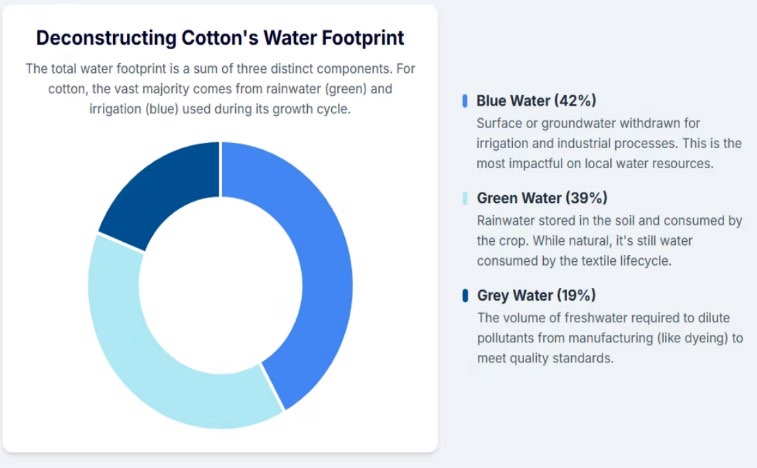
In this study, water consumption was evaluated using the water footprint concept (Figure 1). Blue water represents surface water and groundwater consumed during fibre production, green water refers to rainwater stored in the soil and utilized by crops, while grey water represents the volume of freshwater required to dilute pollutants to acceptable environmental standards. Cotton production is dominated by blue and green water consumption because of irrigation and agricultural cultivation, whereas polyester manufacturing mainly consumes blue water during industrial processing. Regenerated cellulosic fibres require comparatively moderate amounts of blue water, particularly during pulp processing, fibre regeneration, cooling, and washing operations.
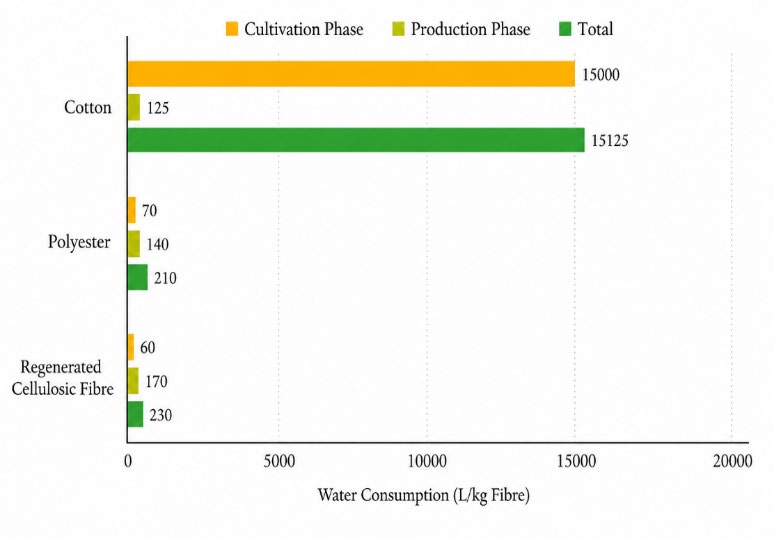
Cotton based production is a water intensive program. For producing 1000 kg of cotton fibre, it requires around 2235 m3 of blue water. Maximum amount of water is sourced from groundwater regions, surface water or river water. Around 82% of all the water is responsible for irrigation purpose [5]. But in convention cotton cultivation process the scenario is much more devastating. Only in cotton production phase, it demands around 10,000 to 15,000 L water for per kg fibre. In manufacturing phase, it requires 100-125 L for per kg fibre (Figure 2) [6].
On the other hand, polyester is synthesized through chemical reactions and that process requires a very little amount of water. Per kg polyester fibre requires only 70L in production phase and in dyeing & finishing stage still requires additional water, approximately 70-136L water is required for per kg fibre, in total 100-200L water is demanded for per kg polyester fibre production. This much lower than conventional cotton production and this is one of the advantages for polyester production. Regenerated cellulosic fibres require moderate amount of water. It is situated in between cotton and polyester. The production phase requires 60L for per kg fiber, finishing & dyeing process consumes around 269L of water for per kg fibre production (Figure 2) [6]. Also, fewer amount of clean water is consumed in solvent recovery and cooling phase as well.
Cotton production is significantly consuming higher amount of water than other two fibres. This can be considered as an environmental hotspot for cotton-based textile manufacturing industry.
Land Use
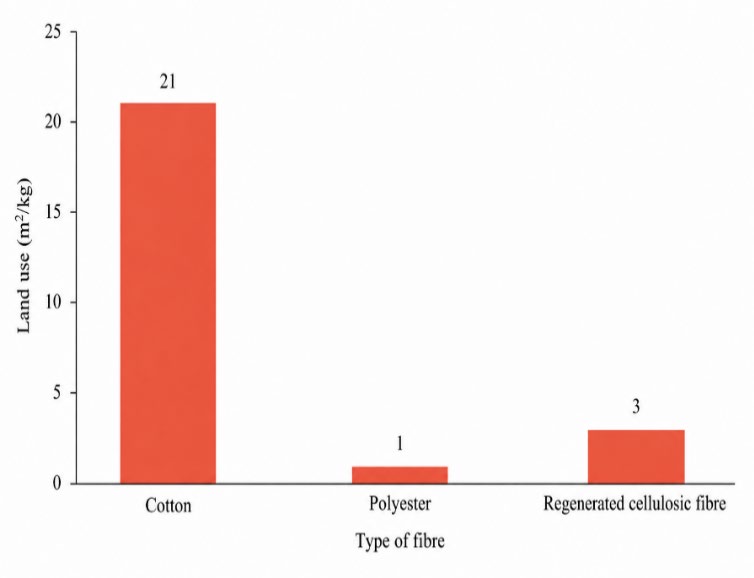
Cotton requires high amount of land for the cultivation purpose (Figure 3). Around 19.7-to-20.9-meter square land is required for 1 kg cotton fibre cultivation. Organic cotton requires more land because yields per acre is very low than conventional cotton. Polyester is derived from fossil fuel-based feedstocks. It doesn´t require any type of land or animal resources. On the other side huge amount of polyester is getting recycled which eventually lower down the fossil fuel resource usage. But rPET consumes slightly more land than virgin polyester due to energy and infrastructure issue in recycling process. Overall, polyester has the lowest possible impact on land use scenario [7]. On the other hand, regenerated cellulose has the moderate impact. Though it is significantly lower than the cotton cultivation process. It consumes 2.6 meters square for per kg fibre production. They are generated from wood pulp; this step consumes land. Lyocell fibres are highly efficient, almost ten times productive than conventional cotton processing. It requires approximately around 2.16 square meters of land for production of 1 kg fibre.
Chemical Burden
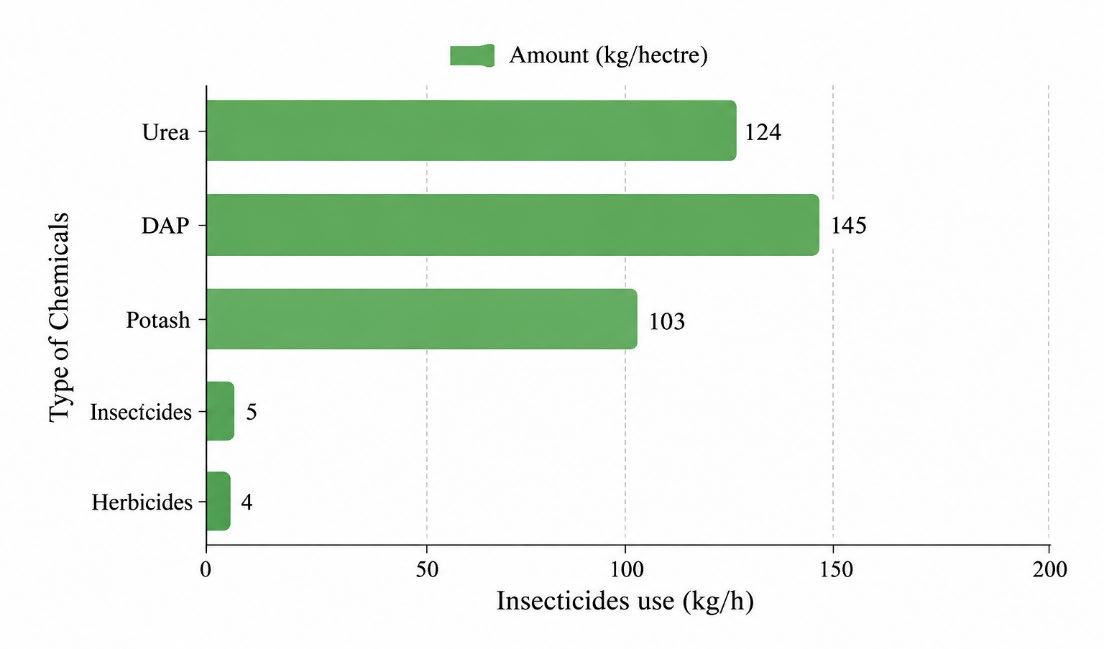
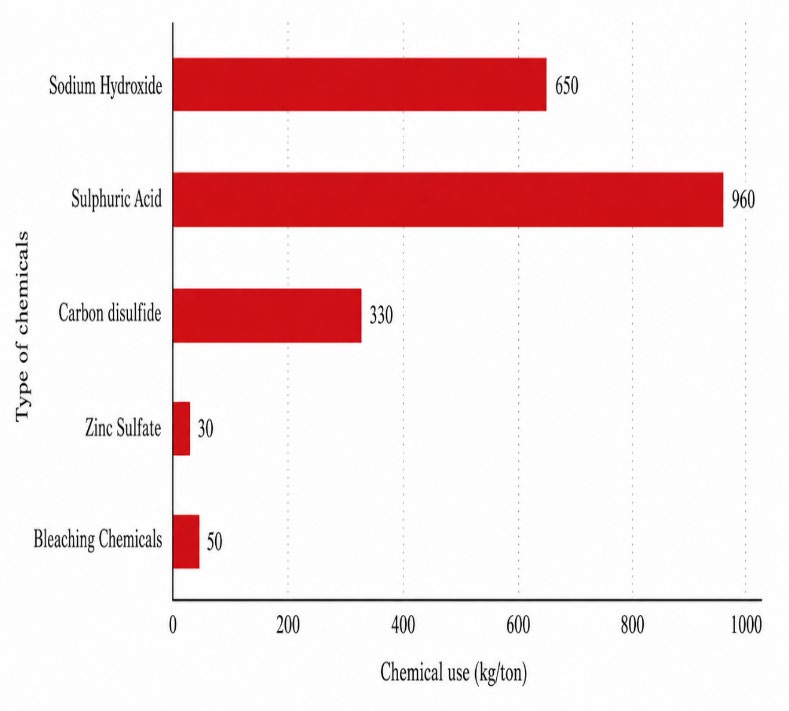
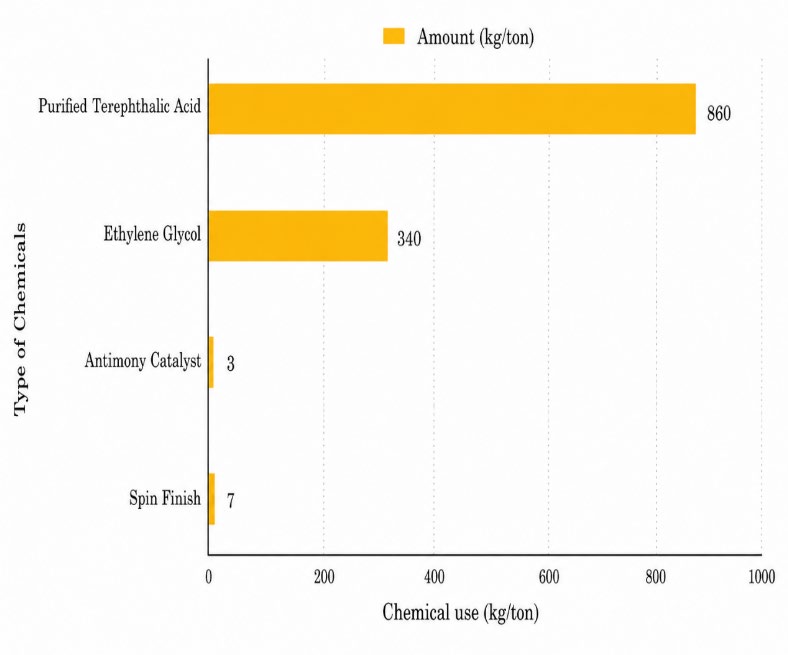
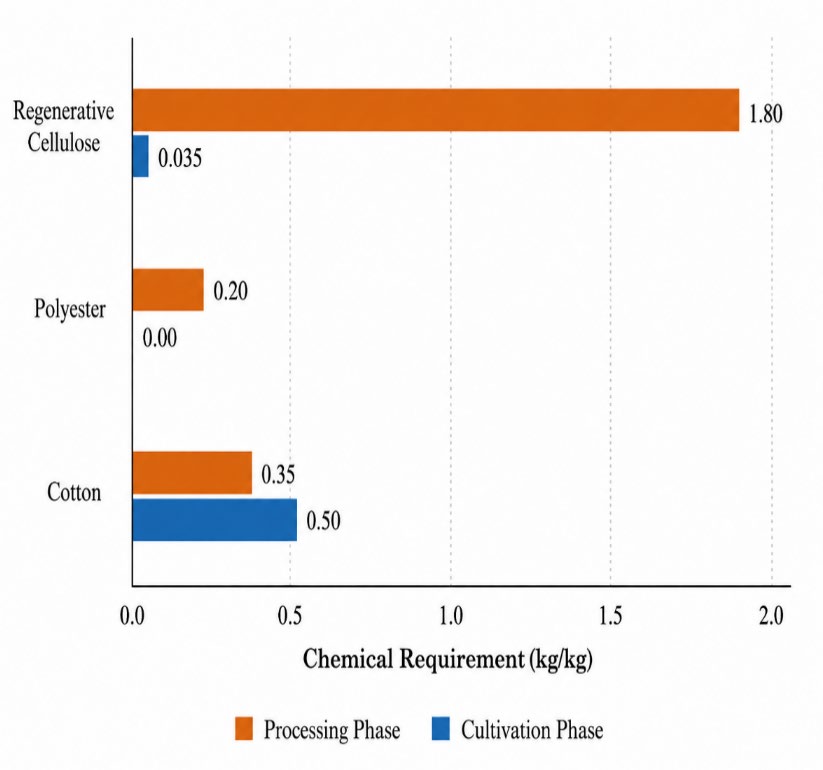
Chemical use in textiles differs from fibre origin to cultivation process. In generally cotton consumes a huge number of fertilizers, pesticides, herbicides and soil amender [8]. Cotton occupies 16% of all global insecticides’ usages [9], [10]. Per kg cotton fibre require 457g fertilizer and 16 grams of pesticides. The maximum amount of these agrochemicals is needed in cultivation phase. But unlike cotton, regenerative cellulosic fibres don’t require any type of agrochemicals in cultivation, but they require huge amount of chemicals in industrial processing. These chemicals are extremely hazardous for environment. Around 1.48 kg of chemicals are required for per kg viscose fibre production and this requirement is only aligned with pulp conversion and regeneration stages (Figure 5) [11], [12]. Among those, 98.5% chemicals are required in chemical dissolution & regeneration process, it eventually creates a huge environmental risk as well [13]. But currently 70-95% chemicals can be recycled from this viscose manufacturing setups. On the other side, polyester is a synthetic fibre and it is acquired from petrochemical resources. It does not demand any sort of agrochemicals but it requires chemicals for the polymerization reactions and fibre spinning. Approximately 1.2-1.4kg of petrochemical raw material is required to produce 1kg of polyester fibre [14].
But the chemical burdens are not always comparable because of its phase-based use case. For some fibres the chemical burdens are seen in cultivation phase like the cotton fibre, on the other side polyester fibre requires chemical (Figure 6) for the polymerization reaction purposes. Similarly viscose fibre needs maximum portion of its chemical directory aligned in regeneration and production phase. In cultivation phase, cotton fibre is dominating in chemical burden scenario. Similarly in fibre processing phase the most chemical dominant fibre is regenerative cellulose. But the many chemicals can be recycled in this genre of fibre, especially the solvents. Also, the chemical impacts are depending on the functional groups and the environmental factors. Like the impact of agricultural runoff from cotton cultivation is a serious threat for natural wetland’s ecosystem but the value wise it is not seen that much prominent. So, we need to use characterization factors in life cycle assessment for a fair comparison and understanding (Figure 7) [14]-[17].
Energy use
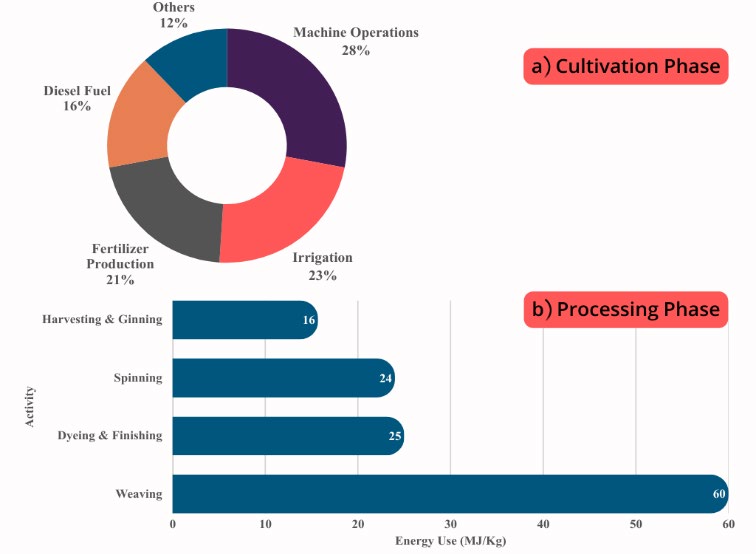
Energy is needed in two different stages-fibre cultivation and the fibre processing. Cotton farming requires energy in land preparation, irrigation, tractors, fertilizer & pesticides production, transportation and harvesting (Figure 8)[18]. In cultivation stage, per kg cotton cultivation needs around 5.6 MJ energy [19].
For the polyester fibre, the maximum energy is needed for the processing purpose in mechanized processes. Polyester is synthesized from petrochemical. Around 60 MJ electricity is required in raw material extraction and preparation phase. It includes the crude oil extraction phase and refining phase too. In total polyester fibre needs energy of 120-130 MJ/kg fibre production.
Regenerative fibre distributes all the energy usage into two segments-raw material preparation and fibre processing. 65-106 MJ energy is needed for per kg fibre production (Figure 9) [20], [21]. The maximum portion of energy is going to be used in manufacturing phase. Agricultural production phase requires no major contribution.
Here we can clearly see the electricity consumption for the Polyester fibre & Regenerative fibre are seen much higher than cotton fibre (Table 1 and 2). The primary reason is using of different high energy consuming machineries for fibre production and synthesis process.
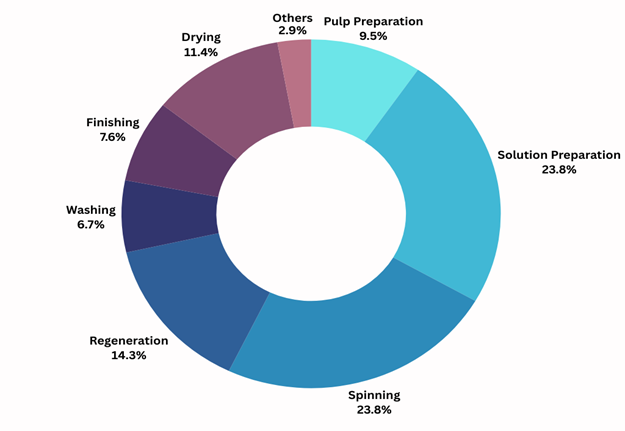
| Processing Stage | Energy Use (MJ/Kg) |
|---|---|
| 1)Polymerization | 15-20 |
| 2)Melt Spinning & Fibre Formation | 5-10 |
| 3)Drawing & Finishing | 5-10 |
| 4)Raw Material Extraction & Refining | 40-60 |
| Fiber | Energy Demand (MJ/kg fiber) |
|---|---|
| Cotton | 55 MJ/kg |
| Regenerated cellulose (viscose) | 65–106 MJ/kg |
| Polyester | 97 MJ/kg |
Different Pollution factors
Cotton cultivation and manufacturing process emits huge amount of CO2eq throughout its life cycle (Figure 10). Main emission source for cotton is fertilizer production, soil emission, factory-based machineries. Around 1000kg cotton fibre produces 4,443kg CO2 [22]. A field study shows that 669 kg CO2 is emitted in per hectare of cotton cultivation process [23]. Huge amount of fertilizer requires for the cotton cultivation process which takes over almost 27% of all fertilizer usage and around 35% soil pollution is done through fertilizer decomposition [5]. Cotton is a fertilizer intensive crop. Different study shows approximately 640kg of fertilizer is required for 1000 kg of cotton cultivation process. Fertilizers are eventually responsible for generating other environmental pollutions like per ton cotton production is responsible for aquatic eutrophication equivalent of 2.16 kg PO43−, Freshwater acidification equivalent of 21.6 kg SO2 eq. Similarly, it is responsible for freshwater ecotoxicity around equivalent of 2.25 × 10⁴ CTU. Per ton cotton lint can emit upto 0.14 kg ammonia, which eventually leads towards water pollution [24]. Toxic chemicals like pesticides, insecticides, fertilizers are responsible for water pollution. The chemical run offs are extremely harmful for the aquatic lives [25].
On the other hand, polyester is a man-made fibre and it doesn’t require any cultivation stage. Pollution mainly occurs for polyester fibre in raw material extraction phase, chemical production phase and in fibre manufacturing phase. Some study report shows that per kg polyester fibre can produce 6.8-11.8 kg CO2eq emission throughout its lifecycle [26]. Around 2-4kg volatile organic compound can be produced from per ton polyester production. Another serious threat aligned with polyester production is microplastics pollution. A single wash of polyester fibre can end up with 700,000 microplastics fibre into the wastewater [27]. Microplastics can emit in different pathways like from production procedures-tumble drying, washing and also from the consumer end like wearing, laundering [28]. But there are no microplastic concern in cotton cultivation and production scenario. The polyester based wastages are persistent. It can stay in environment for more than 200 years [27].
For the Regenerated cellulosic fibre, it emits around 3,800 kg CO2 eq from the raw material extraction and pulp dissolution phase for per ton production. Similarly, in fibre production phase, it emits around 3.18 kg equivalent CO2 [29]. Similarly, like cotton fibre, it also contributes in Water eutrophication, Acidification & water ecotoxicity. Around 12.44kg PO43−- can be contributed in freshwater from viscose production and it leads to ocean acidification with the amount of 81.45 kg SO2-. A complete overall comparison chart is represented below for analysing the pollution factors among all three fibres [30].
All these datasets are collected from different studies and LCA software. From the graph and the data table (Table 3), there are several pollution factors are available for impact analysis [31]-[35]. Every fibre has its own environmental profile and this graph can find a clear demonstration of that. Different fibres have different pollution potentials and eventually those are imposing threat towards the eco-system.
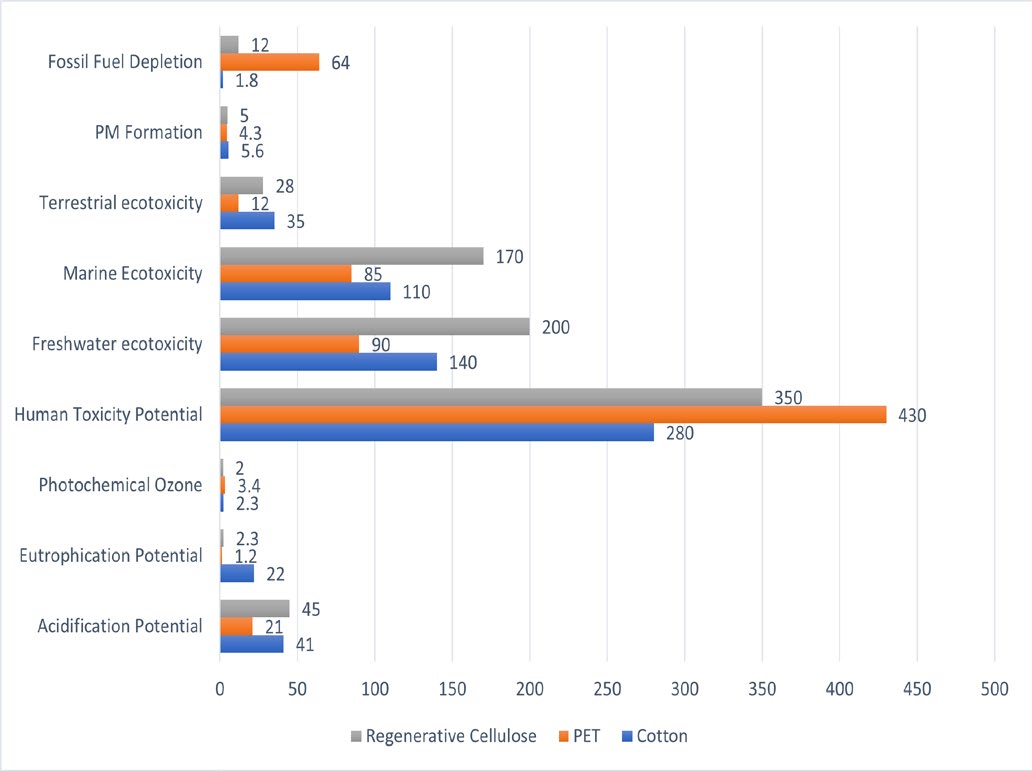
| Impact Category | Cotton | Polyester (PET) | Regenerated Cellulose | Unit |
|---|---|---|---|---|
| Global warming potential (per 1000kg fibre) | 2000 | 4100 | 3800 | kg CO2-eq |
| Acidification potential | 41 | 21 | 45 | kg SO2-eq |
| Eutrophication potential | 22 | 1.2 | 2.3 | kg PO43−-eq |
| Photochemical ozone formation (smog) | 2.3 | 3.4 | 2.0 | kg NMVOC-eq |
| Ozone depletion potential | 0.2×10⁻³ | 0.07×10⁻³ | 0.28×10⁻³ | kg CFC-11-eq |
| Human toxicity potential | 280 | 430 | 350 | kg 1,4-DCB-eq |
| Freshwater ecotoxicity | 140 | 90 | 200 | kg 1,4-DCB-eq |
| Marine ecotoxicity | 110 | 85 | 170 | kg 1,4-DCB-eq |
| Terrestrial ecotoxicity | 35 | 12 | 28 | kg 1,4-DCB-eq |
| Particulate matter formation | 5.6 | 4.3 | 5 | kg PM10-eq |
| Fossil resource depletion | 1.8 | 64 | 12 | GJ |
| Agricultural pesticide emissions | High | None | Very low | |
| Microplastic pollution | None | High | None |
Note: DCB: Dichlorobenzidine, CFC: Chlorofluorocarbon, NMVOC: Non-methane volatile organic compounds
Carbon Footprinting & Eco-cost
Comparison of total carbon emission
Every fibre production process must responsible for carbon emission (Figure 11). Greenhouse gases can be emitted from cultivation phase and also from the fibre process & production phase. On average 3-4.5 kg CO2 can be emitted in the whole cotton production process. Fertilizers and different agrochemicals are responsible for maximum amount of emission in cotton production process. Polyester does not have any cultivation phase but in the process of raw material extraction, it emits GHG. The polyester fibre production is highly energy dependent. The manufacturing phase is highly responsible for emitting greenhouse gases. Similarly regenerative fibres require energy and chemicals in the process of fibre manufacturing.
To broaden the sustainability assessment, recycled polyester (rPET) was included as an additional reference material. Compared with virgin polyester, rPET significantly reduces fossil resource consumption because it utilizes post-consumer or post-industrial plastic waste as its primary feedstock. Numerous LCA studies have reported reductions in greenhouse gas emissions, cumulative energy demand, and fossil resource depletion for rPET production. As shown in Table 4, the cradle-to-gate carbon footprint of recycled polyester is approximately 2–3 kg CO2-eq per kilogram of fibre, considerably lower than that of virgin polyester (7–10 kg CO2-eq/kg) [36], [37]. However, recycled polyester may still contribute to microfiber release during use and therefore does not completely eliminate environmental concerns. Consequently, rPET represents an important circular economy strategy but should be complemented with improved recycling technologies, microfiber mitigation measures, and sustainable waste management practices.
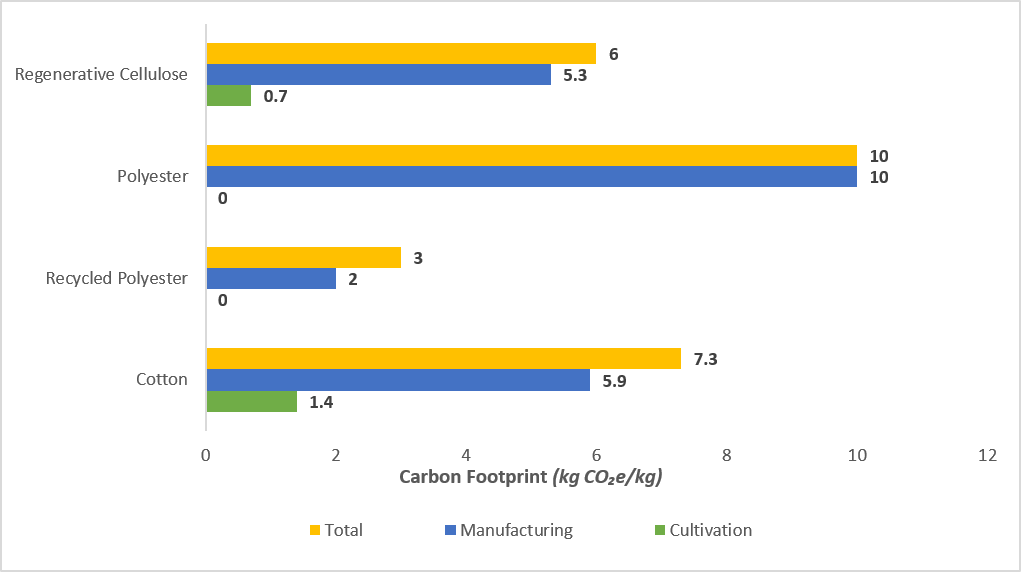
| Fiber type | Cultivation / Raw phase (kg CO2e/kg) | Manufacturing (kg CO2e/kg) | Cradle-to-gate total (kg CO2e/kg) |
|---|---|---|---|
| Cotton | 0.3–1.4 | 3.5–5.9 | 3.8–7.3 |
| Polyester (virgin) | N/A | 7–10 | 7–10 |
| Polyester (recycled) | N/A | 2 | 2–3 |
| Regenerated cellulose | 0.5-0.7 | 1.2–5.3 | 1.2–6 |
Corresponding Eco-cost
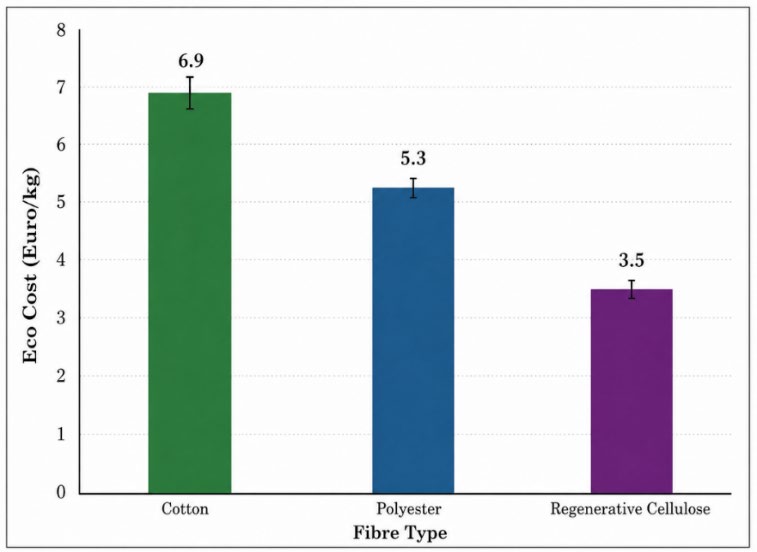
The eco-cost assessment presented in this study is based on the environmental prevention cost concept, which estimates the theoretical cost required to prevent environmental damage caused by a product throughout its life cycle. Eco-cost should therefore be interpreted as an environmental performance indicator rather than a direct production cost. The comparison assumes that published prevention cost factors remain applicable across the selected studies [38]. For regenerated cellulosic fibres, solvent recovery efficiencies reported in the literature (approximately 70–95%) were considered when interpreting the overall environmental burden, since chemical recycling substantially reduces the environmental impacts associated with virgin solvent consumption.
Eco cost is an environmental indicator used for explaining the monetary value environmental damage made by a product throughout its life cycle. It explains the virtual cost for reducing the environmental impact as a compensation. It is an indicator added in Life cycle Assessment [8]. Cotton has the high eco cost value. It consumes huge water and chemicals in its life cycle.
Similarly polyester secures second place in these criteria. The main reason behind the costing can be usage of high amount of energy. Energy production leads to huge amount of GHG emission. Another prime reason can be microplastic pollution due to polyester shredding. It is also responsible for destroying aquatic ecology. Regenerative cellulosic fibres are highly chemical dependent. It can impose negative impact through chemical run off. This is also an energy intensive fibre. But the positive thing is the maximum amount of chemicals can be recycled from the production loop. Maybe this is reason behind its lowest eco-cost value.
Identifying Major Environmental Hotspots
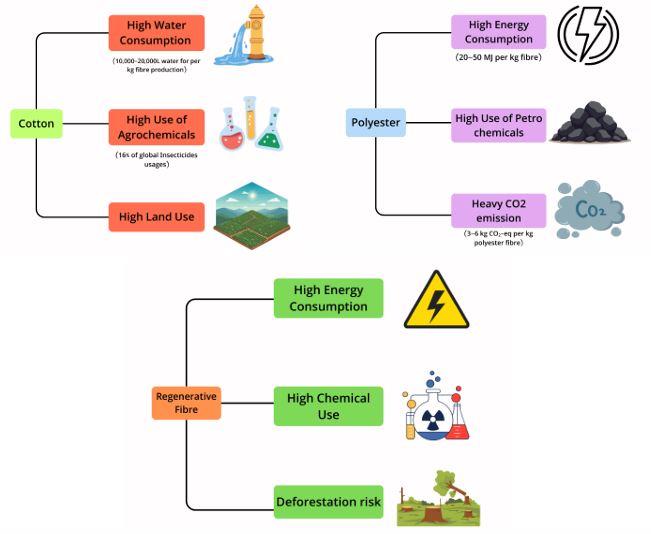
Cotton is highly water and agrochemical-based crop. This fibre requires huge number of fertilizers, insecticides, pesticides etc. As a result, cotton cultivation seriously put a negative impact on water depletion, soil pollution, chemical based runoffs which leads to water pollution. Similarly polyester fibre is heavily dependent on energy. Also, this is a petroleum-based product. On the other hand, regenerated fibres use different sort of chemicals for dissolution and fibre preparation purposes. They consume high amount of energy for fibre preparation. According to all these scenarios, every fibre has a different environmental profile, every fibre has separate environmental hotspots. In Figure 13 different environmental hotspots are mentioned according to previous data and analysis.
Limitations & Recommendations
This study has several limitations. First, the inventory data were compiled from multiple peer-reviewed studies, industrial reports, and LCA databases covering different geographical regions, technological conditions, electricity mixes, and database versions. Although considerable effort was made to harmonize the functional unit and system boundary, methodological differences among the selected sources may introduce uncertainty into the numerical comparisons. Therefore, the reported values should be interpreted as representative ranges rather than absolute values. Second, this study adopted a cradle-to-gate system boundary, excluding consumer use, laundering, transportation, recycling, and end-of-life management, all of which may substantially influence the overall environmental performance of textile products. Finally, the social dimension of sustainability was discussed qualitatively, while a quantitative Social Life Cycle Assessment (S-LCA) was beyond the scope of this research because of limited standardized social inventory data. Future studies should incorporate cradle-to-cradle assessments using updated industrial datasets and integrated environmental, economic, and social sustainability indicators.
For this reason, the impact is not universally same in all over the world. Also, data availability is another issue regarding LCA analysis. Sometimes biasness can be seen while comparison among different set of data. Dataset which are provided by the software are not always homogenous in nature. For this reason, fair comparison can be harmed. Also in this study, the main focus lies into cradle to gate analysis. But this is not the proper representation of a product’s overall life cycle. Consumer behaviour, waste management, end-of-life these are very crucial stages and put serious impact on environment. But the data and the information aligned with these steps are not widely available. So, it has a prospect to work on a whole project aligned with cradle-to-cradle model to a get view on the product’s life cycle.
Conclusion
This study compares the environmental impacts of cotton, polyester, and regenerated cellulosic fibres. According to the analysis, every fibre has unique environmental benefits and difficulties at various supply chain stages. Due to its heavy reliance on land, water, and agrochemicals, cotton production puts a lot of strain on the environment during the cultivation stage. Despite using less water and land, polyester uses a lot of energy and is a major source of microplastic pollution and greenhouse gas emissions. Although they use a lot of chemicals during production, regenerated cellulosic fibres fall in between these two fibres in many impact categories. All things considered, the results show that no single fibre is totally eco-friendly. Rather, each fiber has unique environmental hotspots that need to be addressed by better chemical management, energy efficiency, cleaner production techniques, and improved cultivation methods. In order to reduce environmental impacts, sustainable decision-making in the textile industry should concentrate on minimizing these hotspots and optimizing the entire supply chain.
Ethical Approval
It does not contain any experimental studies involving human participants or animal subjects performed by any of the authors.
Consent to Participate
Not applicable. No human participants or patients were involved in this study.
Consent to Publish
All authors have reviewed the final version of the manuscript and give their explicit consent for publication in the journal. This study does not contain any individual person's personal data, likeness, or private identification.
Declarations
- Author contributions
Abdullah Shahrier: Conceptualization, Methodology, Formal analysis, Visualization, Writing – original draft preparation. Anika Tahmin: Conceptualization, Methodology, Formal analysis. Shahzabin Tarannum: Investigation, Data curation, Writing – reviewing & editing. Zakiya Khan: Critical revision of the manuscript. Subeta Nur: Supervision, Validation, Critical revision of the manuscript. Md. Sadman Twaha: Critical revision of the manuscript. Labiba Khan Borno: Supervision, Validation, Critical revision of the manuscript. All authors read and approved the final manuscript.
- Funding
This research did not receive any specific grant from funding agencies in the public, commercial, or not-for-profit sectors.
- Data availability
Not applicable
- Competing interests
Not applicable
- Acknowledgments
The authors would like to express their gratitude to Bangladesh University of Textiles (Dept. of Environmental Science and Engineering) for providing the academic resources and technical infrastructure necessary to conduct this analysis.
References
- 1.Manyata, R., Life Cycle Assessment (LCA) for Textiles and Clothing. 2025: Carbon Trail.
- 2.Gonzalez, V., Lou, X., and Chi, T., (2023). Evaluating Environmental Impact of Natural and Synthetic Fibers: A Life Cycle Assessment Approach. Sustainability, 15(9): 7670.
- 3.Khan, M. M. R. and Islam, M. M., (2015). Materials and manufacturing environmental sustainability evaluation of apparel product: knitted T-shirt case study. Textiles and Clothing Sustainability, 1(1): 8.
- 4.Munasinghe, P., Druckman, A., and Dissanayake, D., (2021). A systematic review of the life cycle inventory of clothing. Journal of Cleaner Production, 320: 128852.
- 5.John, J., Christoph, K., and Susan, M., LCA UPDATE OF COTTON FIBER AND FABRIC LIFE CYCLE INVENTORY. 2017: Cotton Incorporated.
- 6.Gupta, A. The Water Footprint of Technical Textiles: A Comprehensive Analysis. 2025 [cited 2026 2026.08.17]; Available from: https://www.sarkengg.in/post/quantifying-water-footprints-in-technical-textile-manufacturing-from-raw-fiber-to-final-product.
- 7.Max. The environmental impact of the textile sector. 2024 [cited 2026 2026.08.17]; Available from: https://www.hhc.earth/knowledge-base/articles/the-environmental-impact-of-the-textile-sector.
- 8.Muthu, S. S., (2017). Sustainable fibres and textiles. Woodhead Publishing.
- 9.Kassa, G., Sangha, K. K., Murphy, B. P., and Mazhar, M. S., (2026). Challenges and prospects of cotton farming in the tropics: lessons for northern Australia. Journal of Cotton Research, 9(1): 2.
- 10.Laursen, S. E., Hansen, J., Knudsen, H. H., and Wenzel, H., EDIPTEX - Environmental assessment of textiles. 2007: Danish Environmental Protection Agency.
- 11.Tuners, T. Cellulosic fibres - Chemical Technology - Chemical engineering. 2026 [cited 2026 2026.08.17]; Available from: https://edurev.in/t/99717/Cellulosic-Fibres?utm_source=chatgpt.com.
- 12.Kuchtová, G., Herink, P., Herink, T., Chýlková, J., Mikulášek, P., and Dušek, L., (2023). From lab-scale to pilot-scale treatment of real wastewater from the production of rayon fiber. Process Safety and Environmental Protection, 171: 834-846.
- 13.Björklund, C., Co-occurring substance use and criminal offending: Risk factors, patterns, trajectories and outcomes. 2025, Department of Public Health Sciences, Stockholm University.
- 14.Shen, L. and Patel, M. K., (2010). Life Cycle Assessment of man-made cellulose fibres. Lenzinger Berichte, 88: 1-59.
- 15.Kalliala, E. M. and Nousiainen, P., (1999). Life cycle assessment: environmental profile of cotton and polyester-cotton fabrics. AUTEX Research Journal, 1(1): 8-20.
- 16.Moazzem, S., Crossin, E., Daver, F., and Wang, L., (2021). Assessing environmental impact reduction opportunities through life cycle assessment of apparel products. Sustainable Production and Consumption, 28: 663-674.
- 17.Moazzem, S., Crossin, E., Daver, F., and Wang, L., (2021). Life Cycle Assessment of Apparel Consumption in Australia. Environmental and Climate Technologies, 25(1): 71-111.
- 18.Aytop, Y., (2023). Determination of Energy Consumption and Technical Efficiency of Cotton Farms in Türkiye. Sustainability, 15(14): 11194.
- 19.Henriksen, M., Life Cycle Assessment : a comparison of fossil energy use and climate impact on small scale manufacturing and large scale conventional manufacturing of textile toys, in Dept. of Energy and Technology. 2024, Uppsala: Second cycle, A1E. Uppsala: SLU.
- 20.Boschmeier, E., Ipsmiller, W., and Bartl, A., (2024). Market assessment to improve fibre recycling within the EU textile sector. Waste Management & Research: The Journal for a Sustainable Circular Economy, 42(2): 135-145.
- 21.Felgueiras, C., Azoia, N. G., Gonçalves, C., Gama, M., and Dourado, F., (2021). Trends on the Cellulose-Based Textiles: Raw Materials and Technologies. Frontiers in Bioengineering and Biotechnology, 9: 608826.
- 22.Gupta, R., Bhamra, A., Singh, S., Rao, N., Hari, K., and CP, A. K., NET ZERO IN AGRICULTURE: ROLE OF TECHNOLOGIES. 2023: Intellecap Advisory Services Private Limited.
- 23.Bonou-zin, R. D. C., Allali, K., and Fadlaoui, A., (2019). Environmental Efficiency of Organic and Conventional Cotton in Benin. Sustainability, 11(11): 3044.
- 24.Vitale, G. S., Iacuzzi, N., Zingale, S., Lombardo, S., Tuttolomondo, T., and Guarnaccia, P., (2025). Environmental sustainability of cotton: a systematic literature review of life cycle assessments. Journal of Agriculture and Food Research, 22: 102069.
- 25.Pranay Raja, B., (2022). Biopesticides use on cotton and their harmful effects on human health & environment. International Journal of Clinical Microbiology and Biochemical Technology, 5(1): 005-008.
- 26.Kahigi, N. S., Mkunda, J. J., Mwema, M. F., and Machunda, R., (2025). A comprehensive life cycle assessment of sisal yarn production: Unveiling sustainability and resource optimization hotspots. Environmental Challenges, 18: 101085.
- 27.Sovbetov, I., (2025). Carbon Footprint Embodied in Global Fiber Trades. Journal of Natural Fibers, 22(1): 2503970.
- 28.Himu, H. A., Dip, T. M., Fatema, U. K., Kabir, A. T., Islam, M.-U., Latifi, E. M., Hasan, T., Hasan, S. B., and Ahmed, N., (2026). Aquatic Microfibre Release from Different Textiles During Home Laundering. Water, Air, & Soil Pollution, 237(10): 567.
- 29.Fibers, T. L., Sustainable sourcing and environmental excellence. 2023: Tencel.
- 30.Zhu, J., Yang, Y., Li, Y., Xu, P., and Wang, L., (2020). Water footprint calculation and assessment of viscose textile. Industria Textila, 71: 33-40.
- 31.La Rosa, A. D. and Grammatikos, S. A., (2019). Comparative life cycle assessment of cotton and other natural fibers for textile applications. Fibers, 7(12): 101.
- 32.He, L., Hou, N., and Li, R., (2025). A comparative life cycle assessment of viscose fibers derived from cotton, wood, and bamboo pulp. Industrial Crops and Products, 237: 122267.
- 33.Subramanian, K., Chopra, S. S., Cakin, E., Li, X., and Lin, C. S. K., (2020). Environmental life cycle assessment of textile bio-recycling – valorizing cotton-polyester textile waste to pet fiber and glucose syrup. Resources, Conservation and Recycling, 161: 104989.
- 34.Saadi, N. and Boulay, A. M., (2026). Microfibers in Life Cycle Assessment: Comparing the Physical Effects of Cellulosic and Synthetic Fibers via Characterization Factors Development. Integrated environmental assessment and management, 22(4): 986-996.
- 35.Pires, S. T., Williams, A., Daystar, J., Sagues, W. J., Lan, K., and Venditti, R. A., (2024). Evaluating Cotton Apparel with Dynamic Life Cycle Assessment: The Climate Benefits of Temporary Biogenic Carbon Storage. BioResources, 19(3): 5074.
- 36.Yu, Z. and Yang, Y., (2025). Carbon footprint of global cotton production. Resources, Environment and Sustainability, 20: 100214.
- 37.Almeida, M. L. R. d., Qureshi, T. I., Bhatnagar, A., Niinimäki, K., and Dessbesell, L., (2026). Sustainability indicators for accelerating the production of man-made cellulosic fibers. Cleaner Environmental Systems, 20: 100391.
- 38.van der Velden, N. M., Patel, M. K., and Vogtländer, J. G., (2014). LCA benchmarking study on textiles made of cotton, polyester, nylon, acryl, or elastane. The International Journal of Life Cycle Assessment, 19(2): 331-356.
Cite this article
Journal
Shahrier A, Tahmin A, Tarannum S, Khan Z, Nur S, Borno LK, Twaha MS. Life Cycle Assessment (LCA) for Supply Chain Optimization: Comparative LCA of Cotton, Polyester and Regenerated Cellulose Fibers. JoSEP. 2026;3(2):207-215. doi: 10.62275/josep.26.1000030.
Rights and permissions
© 2026
Cited by (0)
Citing works are not available yet.
About this article
- Received
- 8 June 2026
- Revised
- 6 August 2026
- Accepted
- 19 August 2026
- Published
- 23 October 2026
- Journal
- Journal of Science and Engineering Papers
- Volume / Issue
- 3 / 2
- Pages
- 207-215
- DOI
- 10.62275/josep.26.1000030