Open AccesseISSN 3094-1182 · pISSN 3079-8175
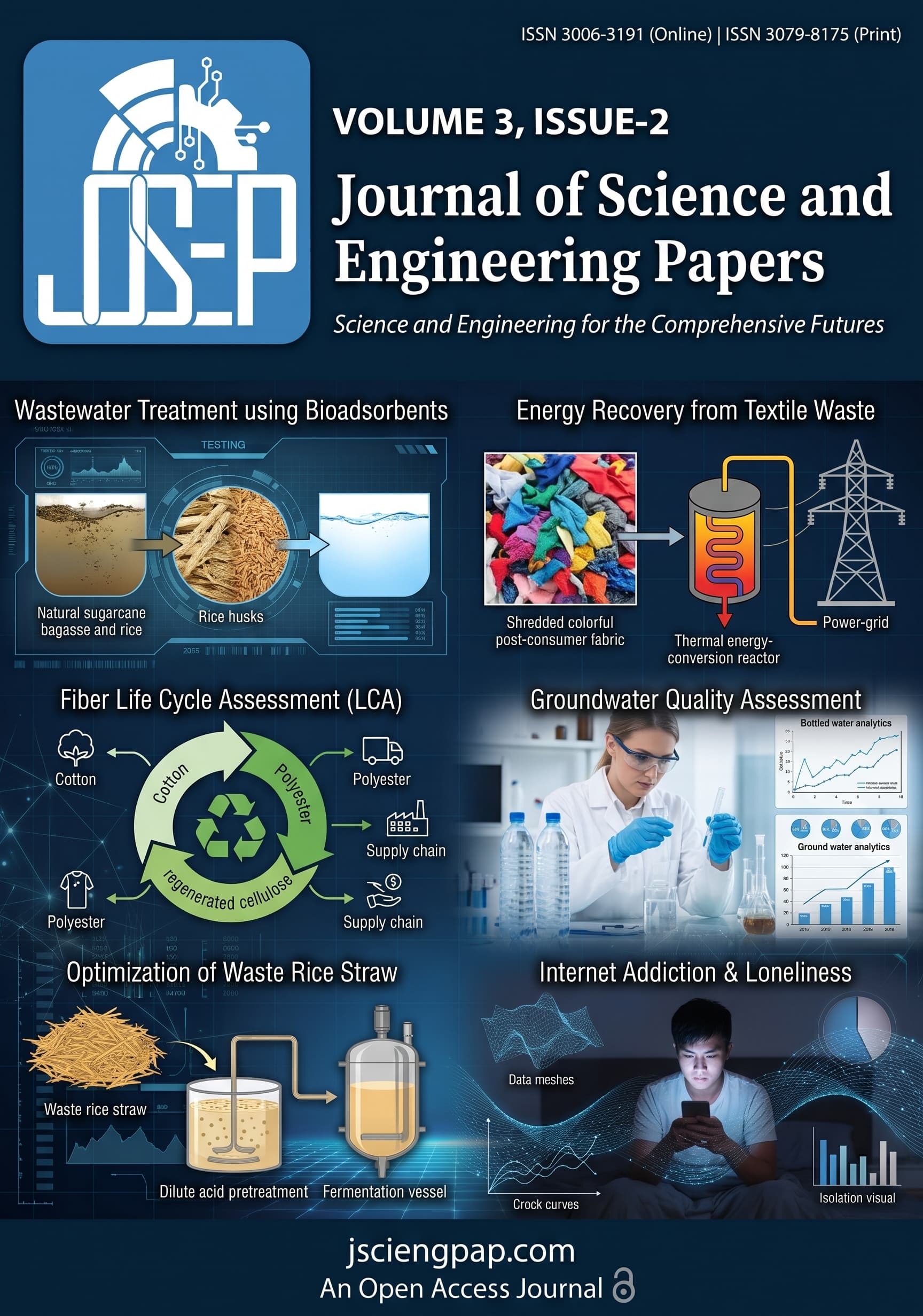
Volume 3, Issue 2 cover

JoSEP

Issue 2

Published issue

Volume 3, Issue 2

Issue 2

Published May 2026

The two papers in Issue 2 look at textile waste from different angles: one tests agricultural-residue bioadsorbents for wastewater treatment, while the other reviews ways to recover energy from textile waste, including pyrolysis, torrefaction, gasification, and combustion.

  • 6 articles
  • Pages 185–238
  • 4 downloads

Cover story

Crop Waste Tested for Textile Wastewater Treatment

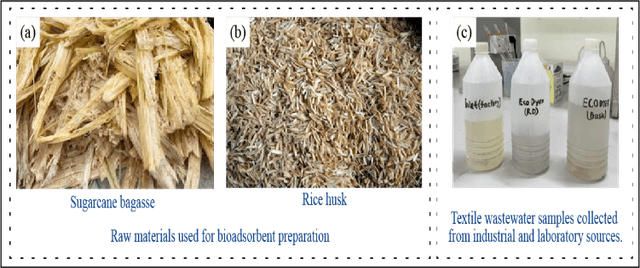
Researchers made a bioadsorbent from rice husk and sugarcane bagasse and tested it on dye-bearing wastewater. It removed 80.13% of the color from reactive-dye wastewater and 87.80% from basic-dye wastewater. The team also tested samples from an effluent treatment plant, where color removal differed between inlet and outlet samples. The study evaluates agricultural by-products as a possible material for textile wastewater treatment.

Articles in this issue 6

Research article

A Sustainable Wastewater Treatment Using Bioadsorbent Derived from Rice Husk and Sugarcane Bagasse

A. Tahmin, A. Shahrier, S. Ahmed, A. Tahha +1 more
Article figure

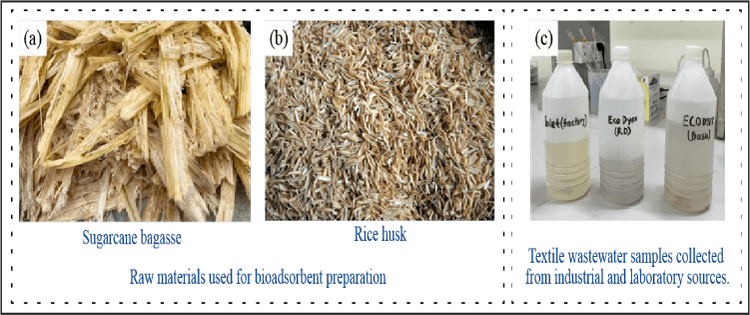
The widespread application of dyes in the textile sector results in the production of highly pigmented and contaminated wastewater, which presents considerable environmental and health risks. This research examines the efficiency of dye removal using eco-friendly bio-adsorbents derived from sugarcane bagasse and rice husk, both of which are plentiful agricultural by-products. The synthesized bio-adsorbents are characterized through Fourier-transform infrared spectroscopy (FTIR), scanning electron microscopy (SEM), and X-ray diffraction (XRD) to evaluate their surface properties, structure, and crystallinity and amorphousness. Both agricultural wastes were subjected to drying, grinding, and chemical activation to enhance adsorption properties. The resulting composite bio-adsorbent was used on textile wastewater samples under controlled experimental conditions. Various adsorption tests were performed to analyze the removal effectiveness under different conditions, including contact time, pH, and dosage of the adsorbent. Furthermore, the effect of treatment on essential physicochemical parameters of the textile wastewater, such as pH, BOD, COD, total dissolved solids (TDS), electrical conductivity, salinity was examined. Kinetics adsorption study also shows here for analyzing the behavior and interaction between adsorbent and adsorbate. The results show a notable efficiency in color removal, supporting the viability of these affordable bio-adsorbents for sustainable and efficient wastewater treatment. For reactive dye waste water, bioadsorbent removed 80.13% color. For basic dye, it removed 87.80% color imparting particles. And for ETP inlet and outlet sample, the percentages were 73.56% and 44.12% respectively. The outcomes underscore a promising alternative to traditional treatment approaches by leveraging agricultural waste materials for environmental remediation.

J. Sci. Eng. Pap. 2026, 3(2), 185-196 · doi:10.62275/josep.26.1000028 · Published 25 Oct 2026

4 views1 downloads
Research article

Valorization of Pre- and Post-Consumer Textile Waste: A Review of Energy Recovery Potential

A. Rafi, N. Samiha, M. Khan, S. Reza +1 more

Article figure

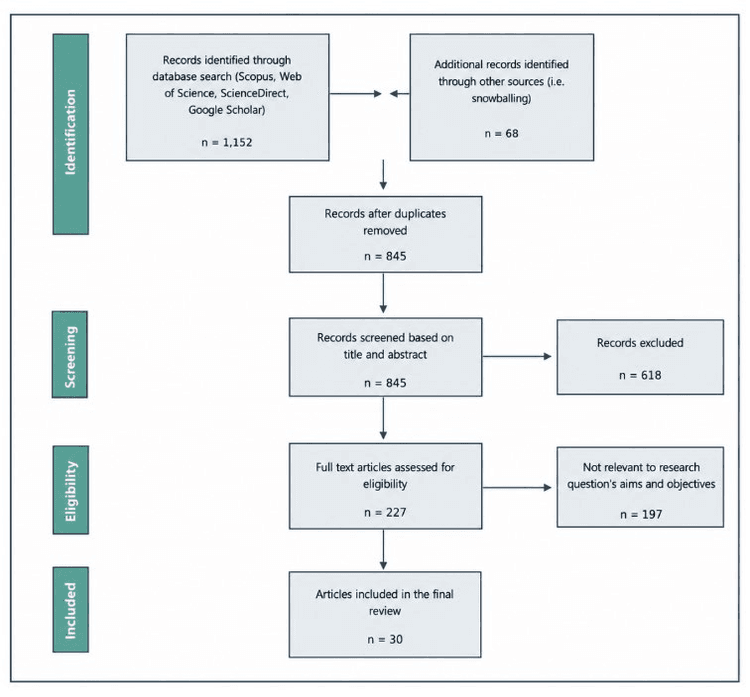
Textile industry is one of the most energy intensive sectors due to large scale of production processes such as spinning, weaving, dyeing and finishing occur here. At the same time, it generates huge amounts of waste throughout its supply chain, thus creating environmental and disposals challenges. Reports say that 92 millions of tons of waste are produced globally in these industries. These waste streams are divided into two categories: pre and post consumer textile waste. This study examines the potentiality wastes to be converted to energy across textile value chain through calorific assessment with the objective of assessing their feasibility as alternative energy sources for the textile industry. The study adopts a comprehensive review and analytical approach based on secondary data analysis of existing literature, technical reports, and previous experimental studies including pyrolysis, torrefaction, gasification and combustion of textile waste materials to analyze the energy output and HHV (Higher Heating Value) within the context of textile industries. In addition, the study highlights the significance, rationale, and conceptual advancements of previous research on textile waste valorization and energy recovery. By analyzing the calorific value ranges of different wastes and conversion efficiency, the study showed if different types of textile wastes can serve as viable alternative energy feedstocks and can be turned into useful energy such as syngas, bio-oil, hydro char. The study contributes to both academic and practical knowledge by providing an understanding of the relationship between textile waste to energy recovery potential. The insights may assist researchers, waste management authorities, and textile industry stakeholders in improving sustainable waste management system and developing alternative source of energy within a circular textile economy.

J. Sci. Eng. Pap. 2026, 3(2), 197-206 · doi:10.62275/josep.26.1000029 · Published 23 Oct 2026

6 views1 downloads
Research article

Life Cycle Assessment (LCA) for Supply Chain Optimization: Comparative LCA of Cotton, Polyester and Regenerated Cellulose Fibers

A. Shahrier, A. Tahmin, S. Tarannum, Z. Khan +3 more

Article figure

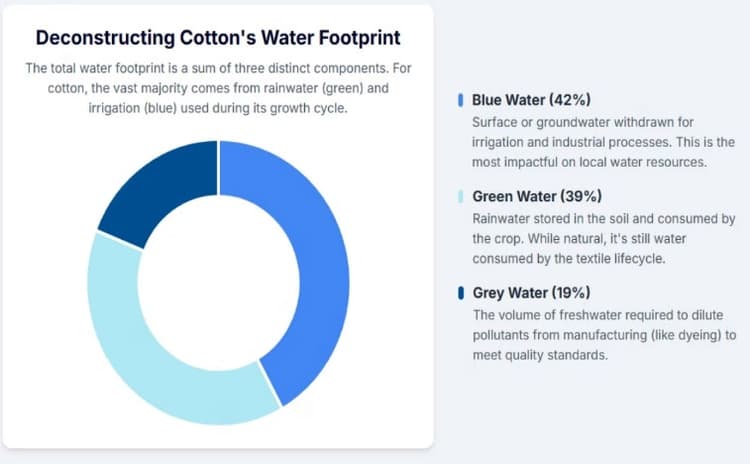
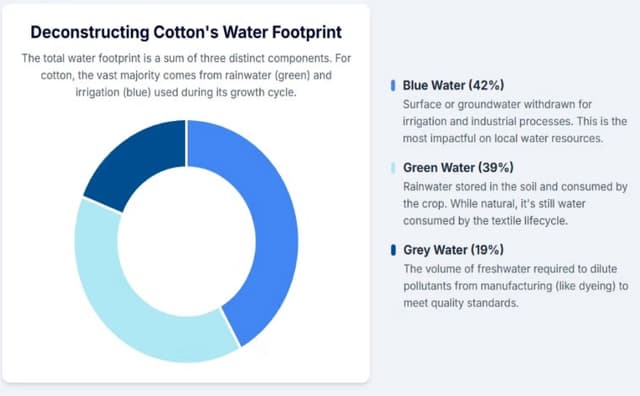
The textile and apparel industry is one of the pollution intensive and resource consuming industries and responsible for putting a huge amount of negative environmental impact. For making this sector much more environmentally friendly, proper dataset and analysis is required. Life Cycle Assessment (LCA) can provide a widespread look of environmental impacts of each and every stage of a product’s life cycle. A cradle to gate system boundary was applied to acquire and analysis all the dataset with some key environmental indicators like Water usage, Chemical burden, Land consumption, Energy usage, GHG emission & different pollution factors. Major environmental hotspots can be identified from the whole study. The overall study shows each fibre has different environmental profile. Cotton is extremely dependent on climate. It requires high water, land and agrochemicals. Polyester has a different profile with high energy requirement and contributes to GHG emission. Regenerated cellulose stands in between natural and synthetic fibre but it requires high amount of toxic chemicals for manufacturing. A proper evaluation and analysis is done in this study by comparing different pollution factors, carbon footprinting and eco-cost concept. The study gives a widespread look to identify environmental trade-offs among fibres and helps to identify the sustainable fibre in particular context and which will eventually help to reduce the negative environmental impacts and lessen down the eco burdens.

J. Sci. Eng. Pap. 2026, 3(2), 207-215 · doi:10.62275/josep.26.1000030 · Published 23 Oct 2026

7 views0 downloads
Research article

Assessment of Drinking Water Quality from Groundwater Sources at the University of Rajshahi, Bangladesh with Respect to Bottle Water Available in Local Market

S. Dipu, M. Karim

Article figure

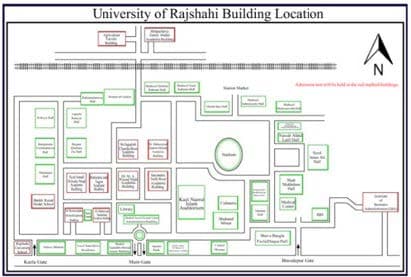
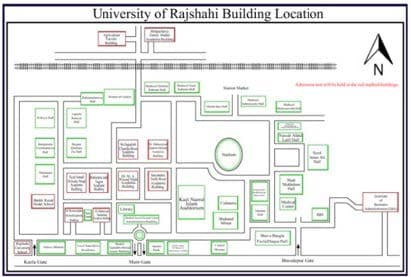
This study aimed to assess the quality and suitability of groundwater for drinking purposes, as well as to examine the spatial variation within the area of Rajshahi University, which is located near the mighty Padma River, approximately seven kilometers east of the Rajshahi City Center. A total of twelve water samples were collected from various locations on the campus. The sampling points included Sher-e Bangla Fazlul Haque Hall, Bangabandhu Sheikh Mujibur Rahman Hall (Bijoy-24) Hall, Matihar Hall, Sayed Ameer Ali Hall, Nawab Abdul Latif Hall, Shah Makhdum Hall, Shahid Shamsuzzoha Hall, Madar Bux Hall, Huseyn Shaheed Suhrawardy Hall, Shahid Ziaur Rahman Hall, Shahid Habibur Rahman Hall, and the Jabir ibn Hayyan Academic Building. The quality of the groundwater was evaluated by measuring several physicochemical parameters: color, taste, odor, temperature, pH, salinity, electrical conductivity (EC), total dissolved solids (TDS), and total hardness. In comparison to WHO and BDS standards, most of the groundwater samples from the study area fell within permissible limits and were deemed safe for consumption. We also compared the groundwater quality with that of commercially available bottled water in the market. However, when compared to bottled water, most groundwater samples showed significant differences in their quality parameters.

J. Sci. Eng. Pap. 2026, 3(2), 216-221 · doi:10.62275/josep.26.1000031 · Published 2 Nov 2026

13 views0 downloads
Research article

Optimization of Dilute Acid Pretreatment of Waste Rice Straw for Enhanced Saccharification and Fermentation Yield

M. Shahriar, M. Mazumdar, R. Hasan, S. Shahriar +3 more

Article figure

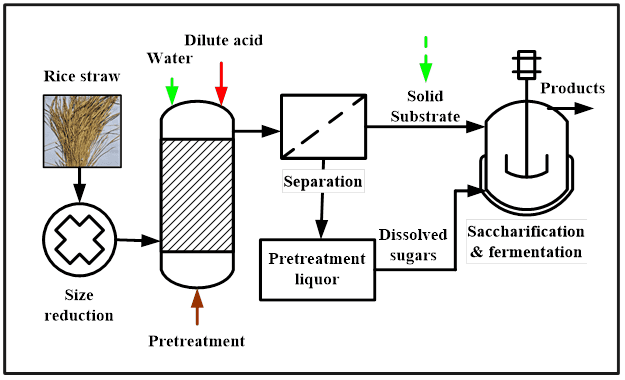
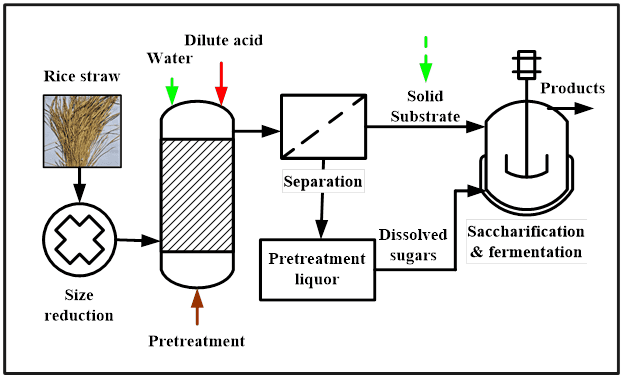
As a renewable alternative to fossil fuels, the production of bioethanol and biochemicals from lignocellulosic biomass has drawn significant interest. For biochemical conversion, pretreatement is the most crucial step, which removes biomass recalcitrance to improve cellulose’s accessibility for enzymatic saccharification and fermentation. This study investigated the potential of dilute sulfuric acid pretreatment of waste rice straw to produce building-block sugars and bioethanol. The study focused on optimizing several key parameters, including dilute acid concentration (60 mM), pretreatment time (30 minutes), pretreatment temperature (120°C), and liquid-to-solid ratio (5:1). This study also compared the efficiency of dilute acid pretreatment of rice straw with conventional dilute alkali and organosolv pretreatment techniques. The results showed that dilute acid pretreatment effectively dissolved a significant amount of hemicellulose under these circumstances, retaining 97.96% of cellulose in the solid substrate, which led to 64.28% glucose yield in enzymatic saccharification. The rice straw structure underwent morphological changes (i.e., cell wall rupture and changes in crystallinity) as the result of acid pretreatment, which were confirmed using SEM and XRD techniques. Furthermore, Saccharomyces cerevisiae fermentation trials showed that the total bioethanol yield was 78.7% in simultaneous saccharification and fermentation, demonstrating the potential of optimized dilute acid pretreatment in the production of bioethanol from rice straw. This study provides important insights for developing a biorefinery for the effective valorization of rice straw and other agricultural waste biomasses.

J. Sci. Eng. Pap. 2026, 3(2), 222-230 · doi:10.62275/josep.26.1000032 · Published 2 Nov 2026

9 views0 downloads