Open AccesseISSN 3094-1182 · pISSN 3079-8175
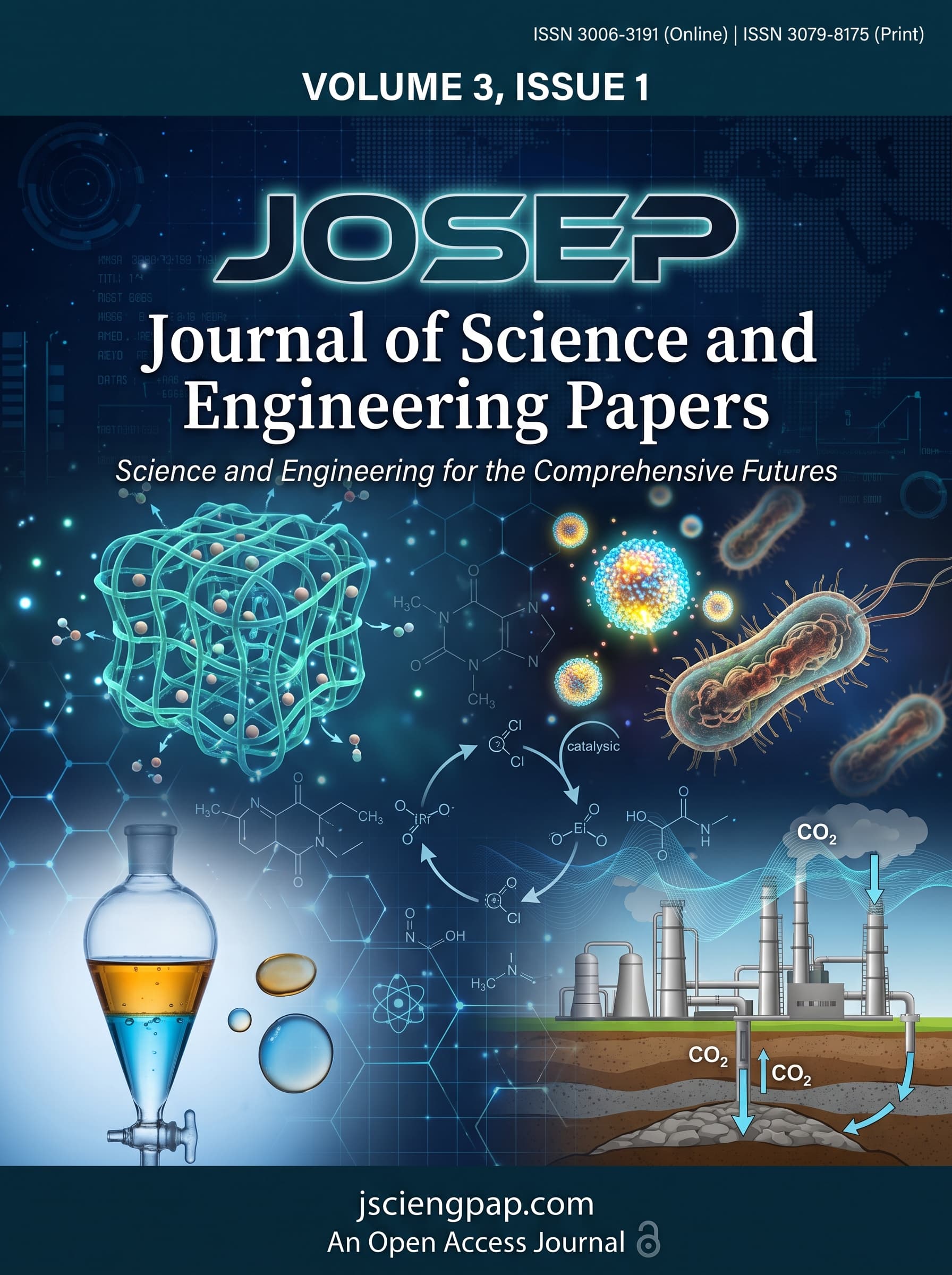
Volume 3, Issue 1 cover

JoSEP

Issue 1

Current issue

Volume 3, Issue 1

Issue 1

Published Jan 2026

Issue 1 brings together research on drug-release hydrogels, antibacterial carbon quantum dot complexes, polyester synthesis, and chromium extraction. It also includes a review of carbon capture, utilization, and storage technologies.

  • 5 articles
  • Pages 145–184
  • 2 downloads

Cover story

Rice Husk Cellulose for pH-Responsive Drug Release

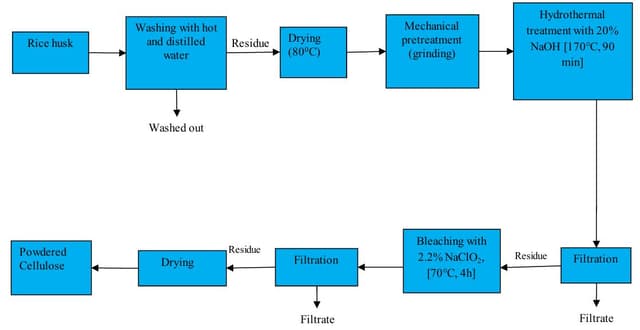
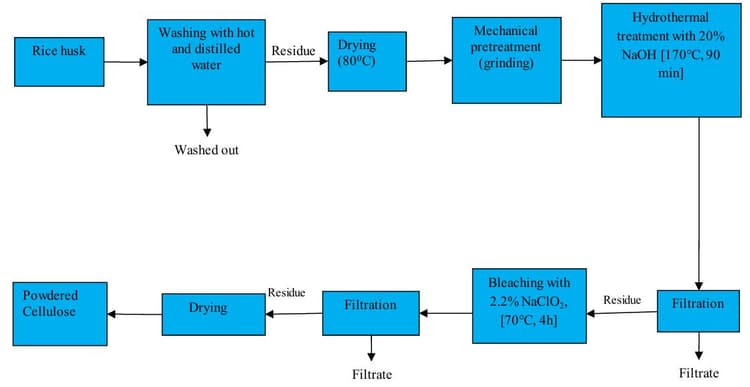
Researchers extracted cellulose from rice husks and used it to make carboxymethyl cellulose and polyvinylpyrrolidone hydrogel membranes. The gels swelled more at higher pH, and tests showed controlled release of salicylic acid in acidic and near-neutral conditions. One formulation also inhibited Staphylococcus aureus and Escherichia coli in laboratory tests. The study examines a rice-husk-derived material for potential drug-delivery and wound-dressing applications.

Articles in this issue 5

Research article

Design and Performance of a Chemically Crosslinked CMC/PVP Hydrogel for Drug Release

M. Sultana, M. Ahsan, A. Mondal, A. Chowdhury +4 more
Article figure

Rice husk is an abundant natural resource that contains about 33% cellulose. This study focused on the extraction and develop of carboxymethyl cellulose (CMC) from rice husks and its utilization in developing CMC-polyvinylpyrrolidone (PVP) blended hydrogel (HGEL) membranes with varying CMC:PVP ratios (80:20, 60:40, and 50:50 w/w). The controlled release of pharmaceuticals and targeted drug administration depend on pH-responsive drug delivery systems. An innovative pH-sensitive, biodegradable, and antibacterial hydrogel was synthesized through blending and solution casting method, using glutaraldehyde as a crosslinking agent. Structural and physicochemical characterization confirmed successful hydrogel formation: FTIR validated crosslinked network development, TGA demonstrated enhanced thermal stability, and SEM revealed uniform and interconnected morphologies. Swelling studies showed that swelling capacity could be precisely tuned by altering the CMC/PVP composition, with higher pH conditions markedly increasing swelling, confirming the pH-responsive behavior of the hydrogels. The drug (salicylic acid) release profiles from gel membrane were conducted into two separate release media (pH 1.4, and pH 7.4), with samples evaluated spectrophotometric analysis at 294 nm wavelength using a UV-Vis spectrophotometer, showed a consistent and controlled release profile. Biodegradability tests in soil revealed that the hydrogel sample degraded gradually up to 72.65% within 15 days. Moreover, upon testing on bacteria Staphylococcus aureus (G+) & Escherichia coli (G-) bacterium, the sample (50:50) gave 11 mm of inhibition zone diameter which confirmed that the synthesized hydrogel can be used for wound dressing and other biomedical applications. Altogether hydrogels underlined as a prospective category of eco-friendly and tunable biomaterials for future healthcare innovations.

J. Sci. Eng. Pap. 2026, 3(1), 145-152 · doi:10.62275/josep.26.1000023 · Published 22 Oct 2026

8 views0 downloads
Research article

Enhanced antibacterial efficacy of carbon quantum dots-based metal complexes: a simple strategy against pathogenic microbes

M. Malitha, M. Molla, P. Biswas, M. Sabbir Ahmed +6 more

Article figure

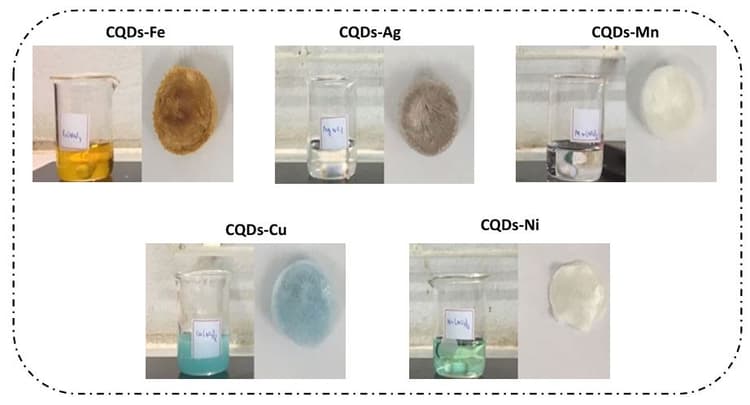
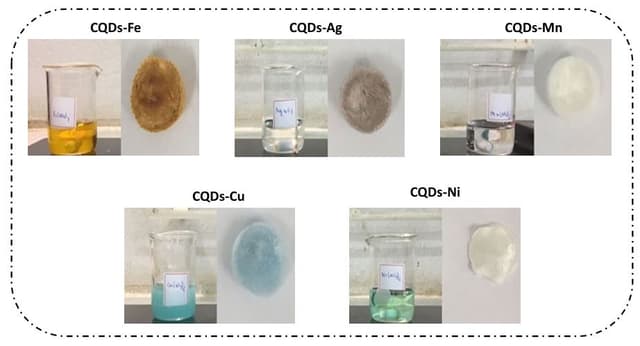
Diseases caused by pathogenic microbes affect humans, animals, and plants, reducing agricultural productivity and leading to health crises. Numerous studies have recently explored potential solutions to address these challenges. In this study, we propose a simple cost-effective approach involving carbon quantum dots (CQDs)-based metal complexes, which demonstrate enhanced bactericidal activity against pathogenic bacteria. The incorporation of CQDs with metals such as silver (Ag), copper (Cu), zinc (Zn), iron (Fe), nickel (Ni), and manganese (Mn) significantly enhances the antibacterial activity of the metals through mechanisms such as oxidative stress generation, membrane rupture, and interference with bacterial metabolic activities. CQDs were synthesized using hydrothermal methods from green sources, and their metal complexes were prepared via a covalent coordination reaction. The properties of the synthesized CQDs and their metal complexes were analyzed using FTIR, SEM, and EDX to confirm their successful formation. The antimicrobial efficacy of these compounds was evaluated against two pathogenic bacteria, including Gram-positive strains ( Staphylococcus aureus ) and Gram-negative strains ( Escherichia coli ). The integration of metal centers into the CQDs' backbone markedly enhanced bactericidal effectiveness across all tested cases. Notably, CQDs-metal complexes exhibited the highest bactericidal effects, attributed to the intrinsic activity of metal ions. Among the CQDs-metal complexes, CQD-Ag exhibited the highest MIC/MBC of 78.5/220 μg/mL against S. aureus and 500/670 μg/mL against E. Coli . These findings underscore the critical role of the coordinated bond between metal centers and CQD ligands in determining the antibacterial efficacy of these complexes. The remarkable bactericidal activity demonstrated by these metal complexes highlights their potential for diverse applications, including resisting agricultural diseases, developing soft and tough tissue adhesives for biomedical use, and enhancing safety in the food industry.

J. Sci. Eng. Pap. 2026, 3(1), 153-158 · doi:10.62275/josep.26.1000024 · Published 22 Oct 2026

16 views2 downloads
Research article

Comparative Catalytic Efficiency and Polycondensation Kinetics of Succinic Acid and 1,3-Propanediol: A Kinetic Study of p-Toluene sulfonic Acid (p-TSA) versus AlCl3

M. Karim, M. Bakr

Article figure

This study presents a comparative investigation of two common catalysts - p-toluene sulfonic acid (p-TSA, a strong organic Brønsted acid) and aluminum chloride (AlCl 3 , a Lewis acid) over non-catalyst one in the polycondensation of succinic acid (SA) with 1,3-propane diol (PDO) to form poly (trimethylene succinate) (PTSu). Reaction parameters (temperature, catalyst loading, and time) were systematically varied to evaluate catalyst efficiency with respect to (i) degree of polymerization, (ii) the rate of reaction of polycondensation, (iii) esterification rate, (iv) order of the reaction, and (v) activation energy of the reaction. Analytical techniques included FTIR & 1 H NMR. Mechanistic differences between Brønsted and Lewis acid catalysis are discussed. Results (representative data and trends are provided) indicate that p-TSA yields faster initial esterification and higher final molecular weights under identical conditions. In contrast, the AlCl 3 catalyst exhibits similar activity to the p-TSA catalyst. Among the non-catalyst, p-TSA, and AlCl 3 catalysts, the p-TSA and AlCl 3 catalysts performed well in the polycondensation reaction over the non-catalyst one.

J. Sci. Eng. Pap. 2026, 3(1), 159-167 · doi:10.62275/josep.26.1000025 · Published 22 Oct 2026

3 views0 downloads
Research article

Solvent Extraction of Chromium(III) from Sulphate Medium: A Comprehensive Liquid-Liquid Extraction Study Using Cyanex 302

A. Karmakar, D. Sarkar, M. Islam, A. Sreemani +4 more

Article figure

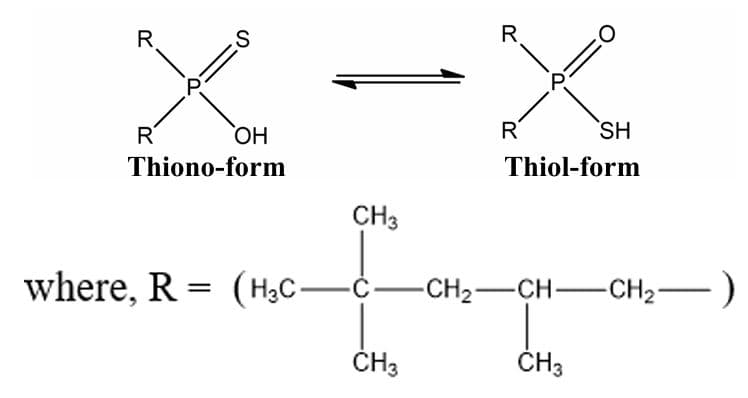
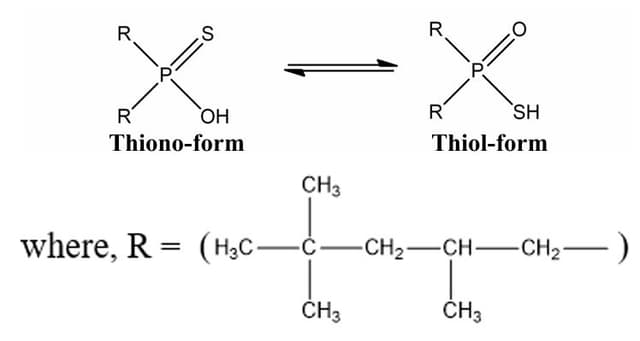
The study focused on the solvent extraction of Cr(III) from sulfate media using Cyanex 302 (bis (2,4,4-trimethylpentyl) monothio-phosphinic acid). Various parameters were systematically evaluated, including phase contact time, initial pH, metal ion concentration, extractant concentration, sulfate ion concentration, temperature, and the type of diluent. Equilibrium was reached within 30 minutes, with the highest extraction efficiency occurring at pH 5.0. Adding more Cyanex 302 improved the extraction efficiency. The study showed that each Cr(III) ion paired with a single dimeric extractant molecule. The presence of sulfate ions was found to hinder extraction by forming non-extractable chromium complexes. The extraction process was endothermic, as indicated by positive enthalpy changes. Among the diluents tested, toluene showed the highest extraction efficiency; however, kerosene was chosen for practical reasons. The maximum loading capacity of Cyanex 302 for Cr(III) was determined to be 2.742 g per 100 g of the extractant. Research found that sulfuric acid was good for stripping, but HCl and HNO3 did not work in the conditions tested. Cyanex 302 had a medium level of extraction efficiency compared to other extractants. These results suggest that Cyanex 302 holds promise for industrial applications in Cr recovery processes, although further optimization may be required to enhance its effectiveness.

J. Sci. Eng. Pap. 2026, 3(1), 168-174 · doi:10.62275/josep.26.1000026 · Published 22 Oct 2026

1 views0 downloads
Research article

Advanced Carbon Capture, Utilization, and Storage Technologies: A Review for Sustainable Carbon Cycle Management

I. Raj, J. Ananna, S. Shahriar

Article figure

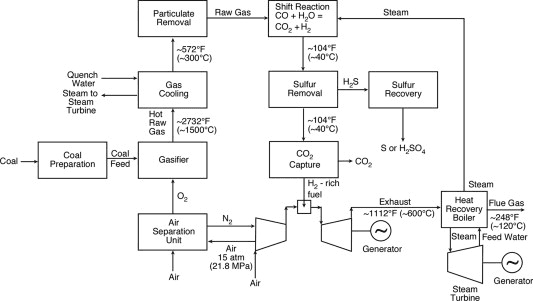
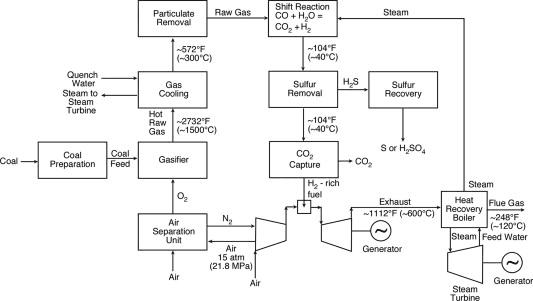
As carbon dioxide (CO₂) emissions continue to drive climate change, Carbon Capture, Utilization and Storage (CCUS) emerges as a transformative technology aimed at managing the carbon cycle sustainably. CCUS encompasses a range of advanced methods to capture CO₂ from both concentrated industrial sources and the ambient atmosphere, convert it into valuable products, and store it securely to prevent its release. This review explores four primary capture pathways: pre combustion systems that separate CO₂ before fuel combustion, post combustion capture from flue gases, oxy fuel combustion in oxygen rich environments, and Direct Air Capture (DAC) that extracts CO₂ directly from the atmosphere. Beyond storage, the utilization aspect of CCUS is equally vital. Captured CO₂ can be converted into construction materials, synthetic fuels and chemical feedstocks, supporting a circular carbon economy. CCUS is particularly crucial for decarbonizing hard to abate sectors such as cement and steel manufacturing, where conventional renewables fall short. However, widespread implementation faces challenges, including high costs (30 to 100 USD per ton of CO₂), the need for global CO₂ transport infrastructure, and complex regulatory frameworks. Addressing these barriers requires collaborative efforts among industries, governments and communities. Ultimately, CCUS offers more than a mitigation tool. It provides a strategic pathway to net negative emissions, turning industrial byproducts into valuable resources. As we advance toward climate resilience, the question is no longer whether we can capture carbon, but whether we can harness its potential for a sustainable future.

J. Sci. Eng. Pap. 2026, 3(1), 175-184 · doi:10.62275/josep.26.1000027 · Published 1 Jan 2026

1 views0 downloads