
Open AccesseISSN 3094-1182 · pISSN 3079-8175
Volume 1, Issue 2 cover

JoSEP

Issue 2

Published issue

Volume 1, Issue 2

Issue 2

Published May 2024

Issue 2 covers food safety, metal extraction, agriculture, water treatment, mining, and fish lipids. The papers examine heavy metals in fish, vanadium extraction, and the use of drones and AI in mulberry farming. Other studies test banana-peel carbon for removing ciprofloxacin from water, predict subsidence at the Barapukuria coal mine, and analyze the fatty-acid composition and biological activity of lipids from Colisa fasciatus.

  • 6 articles
  • Pages 49–95
  • 1 downloads

Cover story

Heavy Metals in Rajshahi’s Freshwater Fish

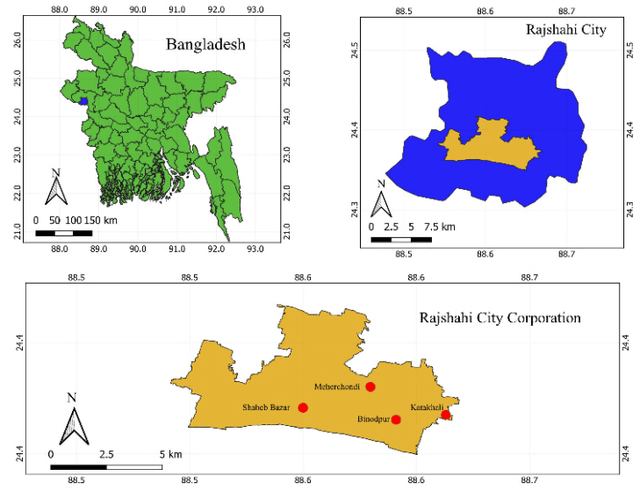
Fish is a regular part of many Bangladeshi diets. In this study, researchers tested 36 samples from three fish species collected at four sites around Rajshahi for lead, chromium, cadmium, and manganese. Several samples exceeded the permissible ranges used for comparison. Among the species studied, Labeo bata had the highest hazard index. The results provide local data for food-safety monitoring.

Articles in this issue 6

Research article

Evaluation of Heavy Metal Levels in Fish and Their Potential Health Risks to Humans

S. Shahriar, M. Zaman, M. Hossain, S. Dipti +3 more
Article figure

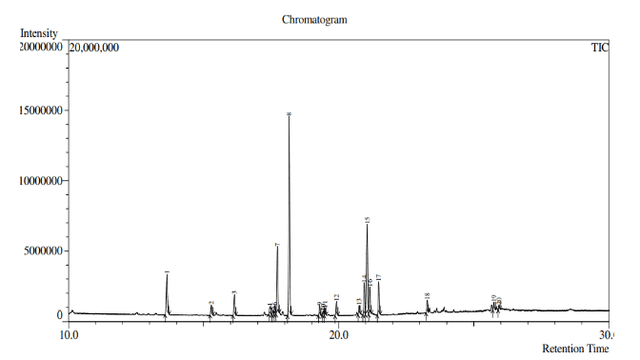
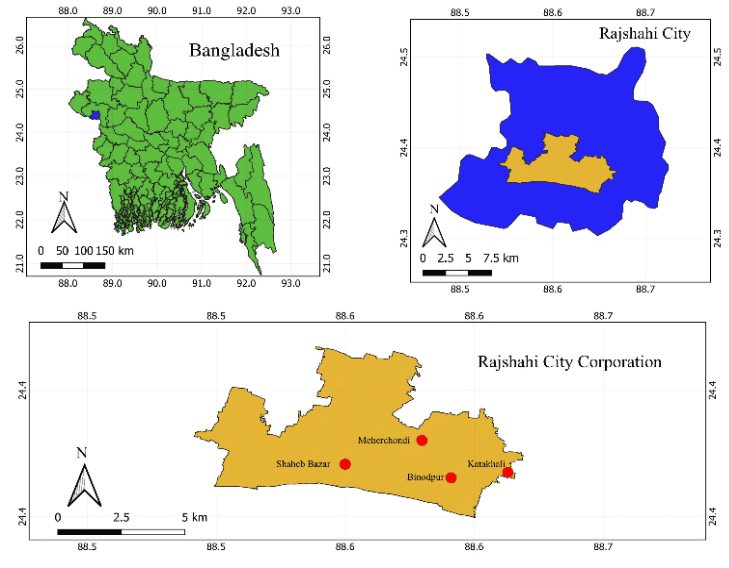
Fish is a significant dietary staple rich in essential nutrients but can also be contaminated with harmful substances, like heavy metals, from polluted environments. This study examines the concentration of heavy metals, specifically Cd, Pb, Cr, and Mn, in three fish species ( Mozambique tilapia , Labeo bata , and Puntius sarana ) collected from the Rajshahi City Corporation area in Bangladesh. The research involved collecting 36 fish samples from four locations within Rajshahi and analyzing them using standard digestion and Atomic Absorption Spectroscopy methods. The concentration ranges detected were 0.0104 to 1.2399 mg/kg for Cd, 0.6711 to 6.051 mg/kg for Pb, 0.0799 to 3.9084 mg/kg for Cr, and 0.1622 to 2.4685 mg/kg for Mn. Notably, 8.33% of samples for Cd, 100% of samples for Pb, 100% for Cr and 0.0% for Mn exceeded the permissible limits set by international guidelines, highlighting potential health risks for consumers. Health risk assessments, including estimated daily intake, target hazard quotient, carcinogenic risk, and hazard index, indicated significant risks associated with consuming these fish. The hazard index of those fish species was observed in the order of Labeo bata > Mozambique tilapia > Puntius sarana . The study emphasizes the importance of regular monitoring and stringent regulatory measures to mitigate the health impacts of heavy metal contamination in fish. The findings suggest that while fish remain a vital nutritional resource, the environmental contamination they are exposed to poses a severe public health concern, necessitating comprehensive strategies for pollution control and food safety.

J. Sci. Eng. Pap. 2026, 1(2), 49-58 · doi:10.62275/josep.24.1000008 · Published 19 Oct 2026

6 views0 downloads
Research article

Liquid-liquid extraction equilibrium study of vanadium(V) from nitrate medium by technical grade D2EHPA dissolved in kerosene

A. Karmakar, R. Biswas, A. Hossen

Article figure

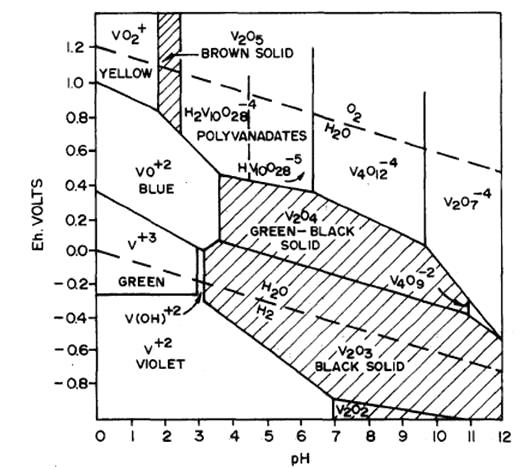
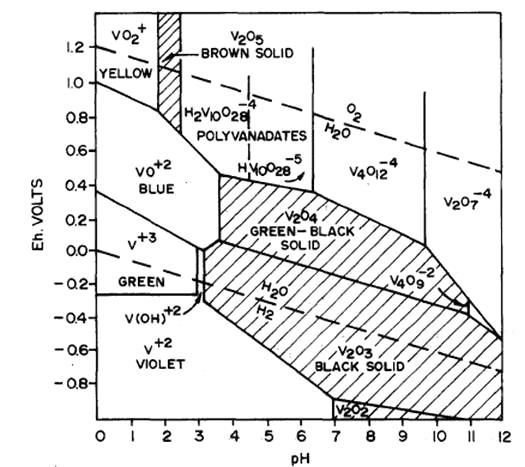
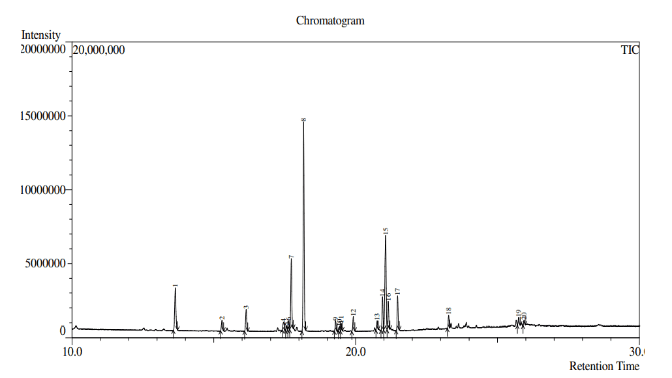
The extraction behaviour of vanadium (V) from nitric acid solutions was studied using technical grade D2EHPA in kerosene as an extractant. The effects of aqueous pH, the concentration of vanadium (V) and nitrate ion in the aqueous phase, and the concentration of D2EHPA in the organic phase were investigated. The extraction equilibration time was 30 min. Metal ion dependencies appeared non-ideal due to the non-constancy of the aqueous phase acidity and the equilibrium extractant concentration. Two types of extraction mechanisms originated from the study of pH dependency. The study conceded that the extraction of vanadium (V) occurred via ion exchange or chelation type of extraction when the pH (eq) <2.50. On the other hand, the solvated ion-pair extraction mechanism occurs when the pH (eq) was above 2.50. The extractant dependencies showed that vanadium (V) species were extracted by one molecule of D2EHPA. The salting-out effect was observed from the effect of nitrate ion concentration. The effect of various types of diluents on vanadium (V) extraction with technical grade D2EHPA was studied; kerosene appeared to be a suitable diluent. The temperature dependence data revealed that the system was exothermic with the &Delta;H value of -12.34 kJ/mol. The loading capacity was 6.11 g vanadium (V) per 100 g extractant. The H 2 SO 4 (0.5 mol/L) was the right stripping agent for the extracted species.

J. Sci. Eng. Pap. 2026, 1(2), 59-67 · doi:10.62275/josep.24.1000009 · Published 21 Oct 2026

4 views0 downloads
Research article

Innovative Approaches to Enhance Sericulture: Integrating Drone Technology and Artificial Intelligence for Precision Cultivation of Mulberry Fields in Bangladesh

O. Ahmed, M. Hossain

Article figure

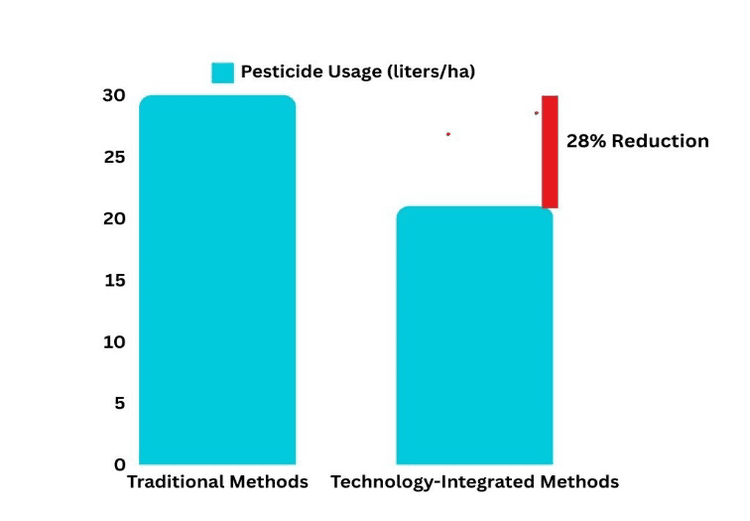
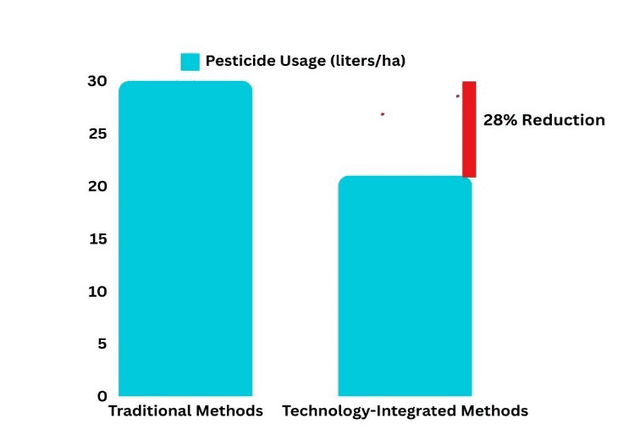
Silk production in Bangladesh's rural economy, which is the practice of raising silkworms, has long been an essential part of the country’s rural economy and this has contributed a lot to the national economy as well as improved people’s lives. Traditional sericulture however faces problems such as pest infestations, inconsistent yields of mulberry leaves, wasteful use of resources and effects of climatic change despite the country having favorable climate that supports silk farming and availability of a skilled labor force. These challenges can be addressed through recent technological innovations including artificial intelligence technology and drone surveillance for instance. Drones fitted with cameras combined with GPS have ability to control fully grown mulberry farms whereas artificial intelligence system analyze data on optimal resource management in terms of pests’ control among others. The objective is to establish how drones and AI can affect Bangladeshi sericulture farming field primarily in Jessore and Rajshahi – two most important sericulture areas in the country. For two crop cycles namely July-October 2022 and March-June 2023, research used drones along with TensorFlow for AI integration where it recorded aspects such as leaf yield, pest loads, input application rates among others. Technologies integrations had resulted to increased mulberry leaf yield by approximately 18% from 2500Kg/ha to 2950Kg/ha.

J. Sci. Eng. Pap. 2026, 1(2), 68-72 · doi:10.62275/josep.24.1000001 · Published 21 Oct 2026

2 views0 downloads
Research article

Linear and Nonlinear Approach on Kinetic Studies in the Adsorption of Ciprofloxacin onto Banana Peels-base Carbon from Aqueous Solution

M. Karim, M. Sajeeb, S. Chandra, S. Dipti

Article figure

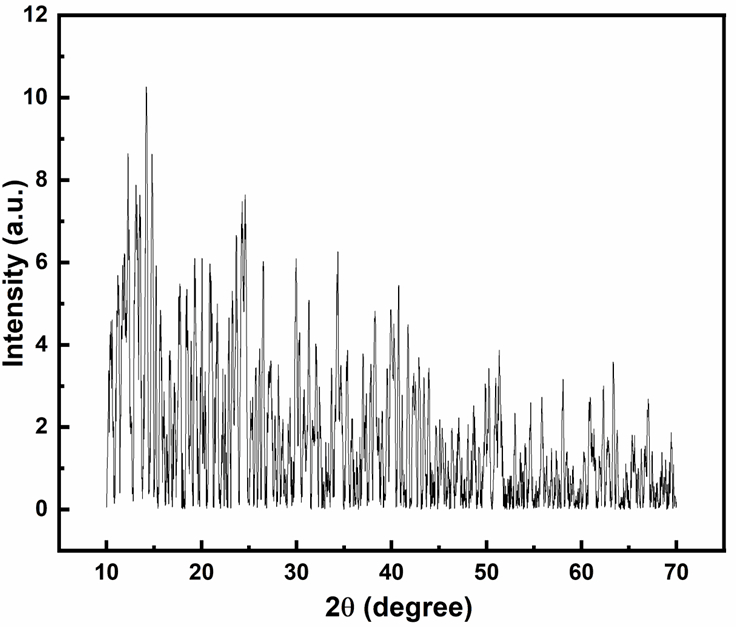
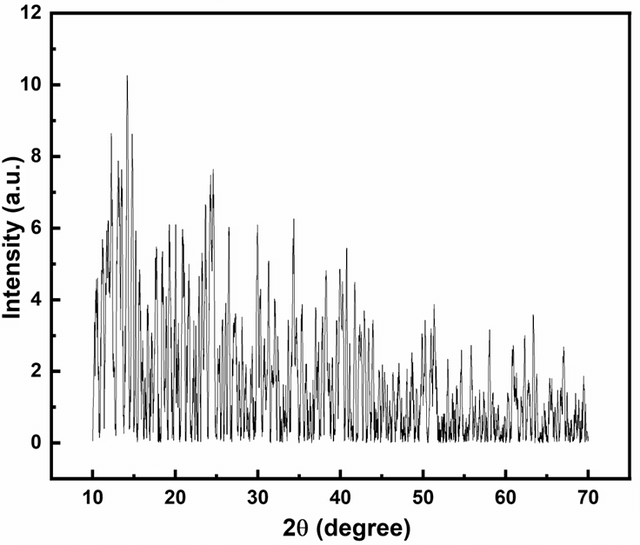
The adsorption process investigates the adsorption kinetic of ciprofloxacin onto banana peels-based activated carbon (BPAC) with a batch process. The pyrolysis method prepared the banana peel-based activated carbon (BPAC). XRD investigated the crystallinity of the BPAC. The effect of shaking time, pH, concentration of BPAC, concentration of ciprofloxacin in aqueous solution, and time duration. The maximum removal percentage of ciprofloxacin from its aqueous solution was 98.7 %. In the kinetic study, the pseudo-first and second-order linear and non-linear equations were fitted with experimental data using the origin LAB program. The pseudo-first-order linear equation R 2 values have an R 2 of 0.9103. In contrast, the R 2 values of the linear equations about pseudo-second-order of types I, II, III, and IV are 0.9982, 0.9968, 0.9986, and 0.9886, respectively. Considering the R 2 values, linear pseudo-second-order types III & IV are preferable for ciprofloxacin elimination from its aqueous solution.

J. Sci. Eng. Pap. 2026, 1(2), 73-80 · doi:10.62275/josep.24.1000011 · Published 21 Oct 2026

6 views1 downloads
Research article

A profile function to predict surface subsidence for down-cut slicing panels into inclined coal seam of the Barapukuria coal mine, Bangladesh

M. Malek, M. Ahmed, S. Kabir

Article figure

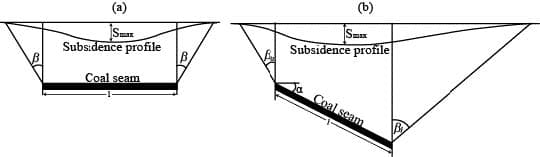
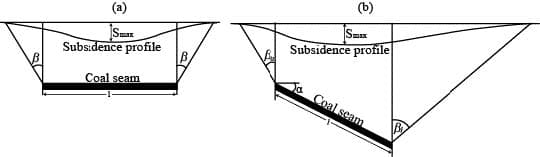
Mining-induced subsidence, a typical consequence of underground mining, can cause environmental and structural problems in the mine area. Predicting surface subsidence for inclined and deep seams has been less emphasized than horizontal seams, mainly due to the complexities of extracting such coal seams. The prediction of surface subsidence and the dynamics of subsidence in down-cut slicing panels is more complex and crucial in practice. This study presents a novel profile function method for forecasting surface subsidence resulting from downward slicing panels in the inclined coal seam mining of the Barapukuria coal mine. The calculated maximum subsidence depth is 10.23 meters whereas the measured maximum water depth of the subsided lake of the Barapukuria coal mine is 10.5 meters. The results indicate a strong correlation between the predicted and the measured values.

J. Sci. Eng. Pap. 2026, 1(2), 81-89 · doi:10.62275/josep.24.1000012 · Published 22 Oct 2026

7 views0 downloads