


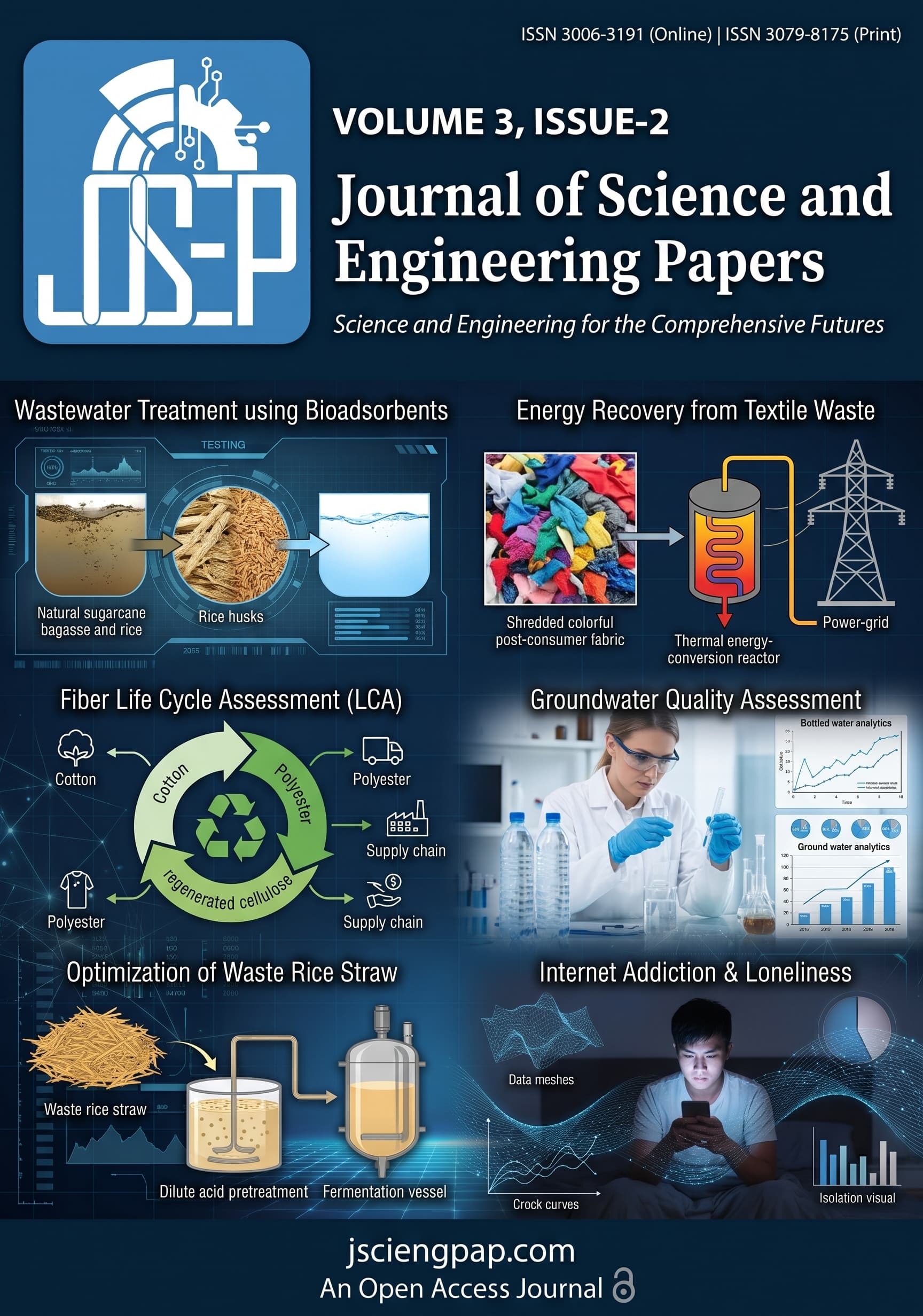
 JoSEPVolume 3 · Issue 2
Issue 2
May 2026May 2026 · 6 articles
 Open AccesseISSN 3094-1182 · pISSN 3079-8175
eISSN 3094-1182 · pISSN 3079-8175
Open AccessVolume 3 of JoSEP: 2 issues published between January 2026 and May 2026.
 2 issues
 11 articles
 85 views
 6 downloadsJoSEPVolume 3 · Issue 2
May 2026May 2026 · 6 articles
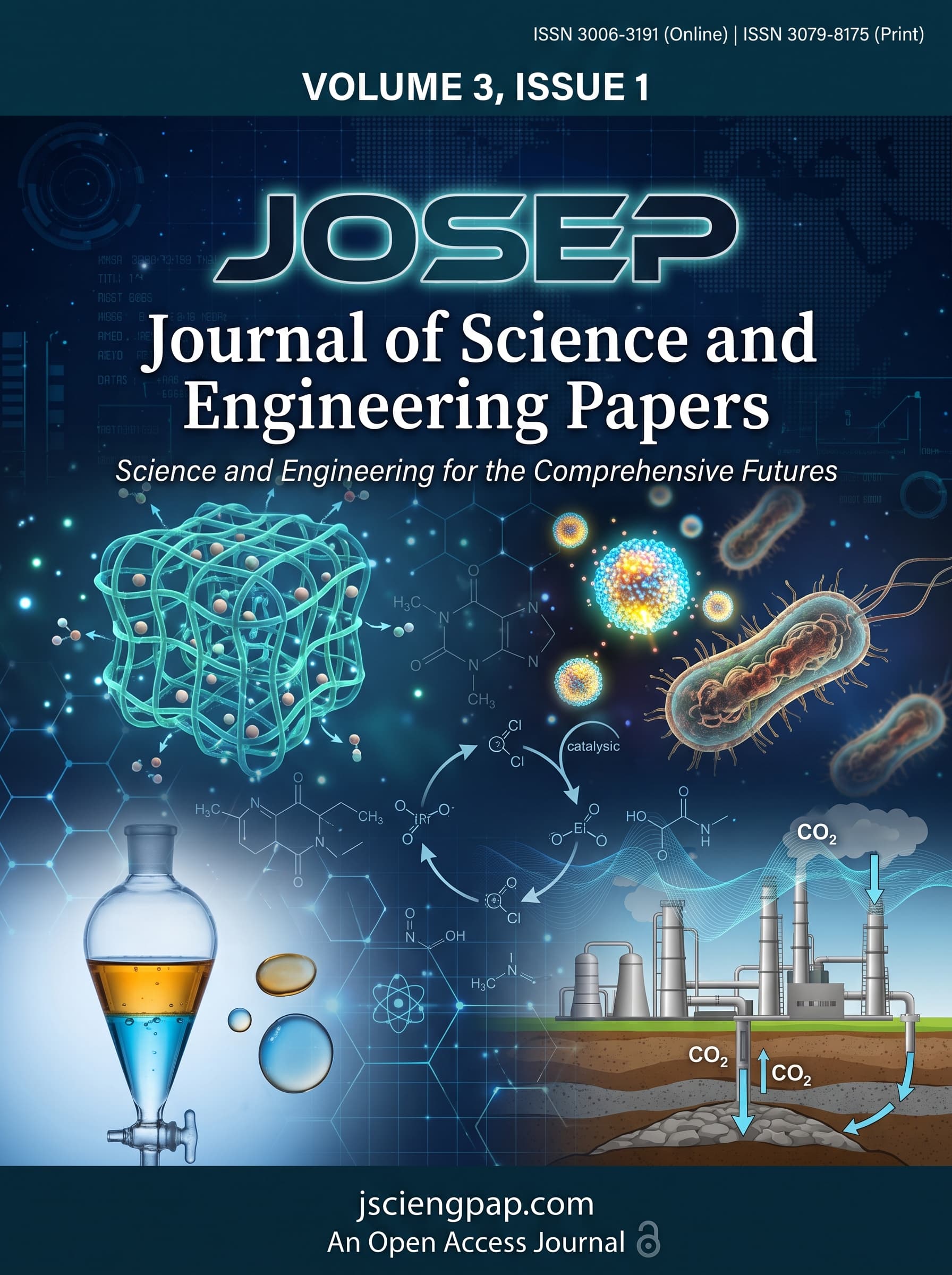 JoSEPVolume 3 · Issue 1Current issue
Jan 2026January 2026 · 5 articles

D. Farhana, D. Islam, M. Rokonuzzaman, M. Islam
Internet addiction (IA) has emerged as a significant behavioral concern worldwide, and prior research has consistently linked it to loneliness, particularly among young adults. This study examined the level of internet addiction and its correlation with loneliness among undergraduate students of Rajshahi University, and additionally examined whether internet addiction and loneliness differ by gender. Using a correlational design and convenience sampling, data were collected from 60 undergraduate students (33 male, 27 female) from different departments and academic sessions. Participants completed a demographic questionnaire, the Bangla-adapted Internet Addiction Test (IAT), and the Bangla version of the UCLA Loneliness Scale (Version 3). Pearson correlation analysis revealed a small, statistically non-significant positive correlation between internet addiction and loneliness, r (58) = .211, p = .105. An independent-samples t -test showed that male students scored significantly higher than female students on internet addiction, t (58) = 2.74, p = .008, whereas no significant gender difference emerged for loneliness, t (58) = 0.71, p = .478. These findings are broadly consistent with previous studies linking excessive internet use to feelings of loneliness and social disconnection. Implications for early identification and intervention among university students, along with study limitations, are discussed. With N = 60, the study’s power to detect an effect of this size was low (~33% at α = .05), so this result should be read as inconclusive rather than as a confirmed null finding; effect sizes ( r 2 = .04; Cohen’s d = 0.71 for the internet-addiction gender difference and 0.19 for the loneliness gender difference) and 95% confidence intervals are reported alongside significance tests throughout.
J. Sci. Eng. Pap. 2026, 3(2), 231-238 · doi:10.62275/josep.26.1000033 · Published 16 Nov 2026
M. Malitha, M. Molla, P. Biswas, M. Sabbir Ahmed +6 more
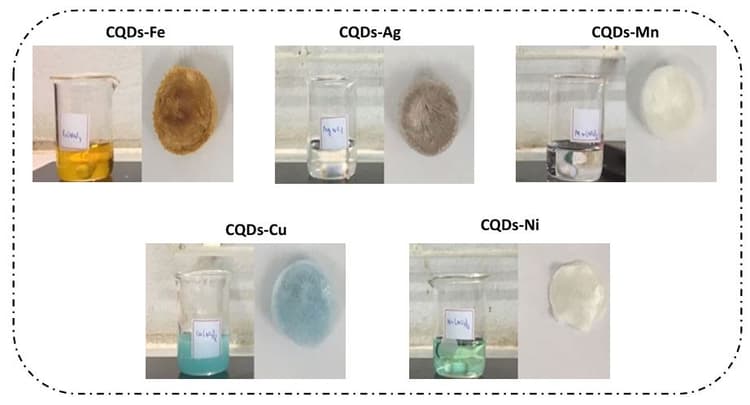
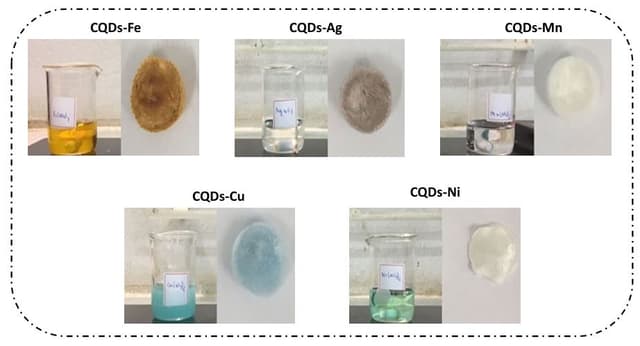
Diseases caused by pathogenic microbes affect humans, animals, and plants, reducing agricultural productivity and leading to health crises. Numerous studies have recently explored potential solutions to address these challenges. In this study, we propose a simple cost-effective approach involving carbon quantum dots (CQDs)-based metal complexes, which demonstrate enhanced bactericidal activity against pathogenic bacteria. The incorporation of CQDs with metals such as silver (Ag), copper (Cu), zinc (Zn), iron (Fe), nickel (Ni), and manganese (Mn) significantly enhances the antibacterial activity of the metals through mechanisms such as oxidative stress generation, membrane rupture, and interference with bacterial metabolic activities. CQDs were synthesized using hydrothermal methods from green sources, and their metal complexes were prepared via a covalent coordination reaction. The properties of the synthesized CQDs and their metal complexes were analyzed using FTIR, SEM, and EDX to confirm their successful formation. The antimicrobial efficacy of these compounds was evaluated against two pathogenic bacteria, including Gram-positive strains ( Staphylococcus aureus ) and Gram-negative strains ( Escherichia coli ). The integration of metal centers into the CQDs' backbone markedly enhanced bactericidal effectiveness across all tested cases. Notably, CQDs-metal complexes exhibited the highest bactericidal effects, attributed to the intrinsic activity of metal ions. Among the CQDs-metal complexes, CQD-Ag exhibited the highest MIC/MBC of 78.5/220 μg/mL against S. aureus and 500/670 μg/mL against E. Coli . These findings underscore the critical role of the coordinated bond between metal centers and CQD ligands in determining the antibacterial efficacy of these complexes. The remarkable bactericidal activity demonstrated by these metal complexes highlights their potential for diverse applications, including resisting agricultural diseases, developing soft and tough tissue adhesives for biomedical use, and enhancing safety in the food industry.
J. Sci. Eng. Pap. 2026, 3(1), 153-158 · doi:10.62275/josep.26.1000024 · Published 22 Oct 2026
S. Dipu, M. Karim
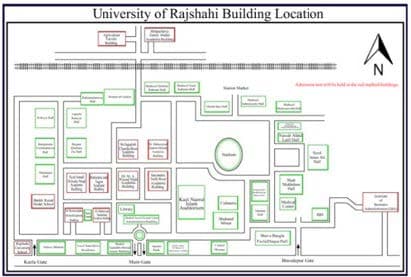
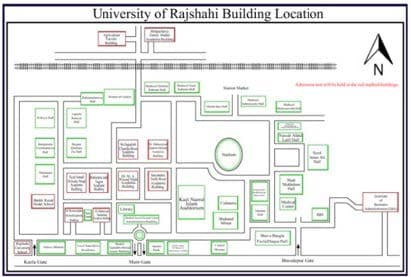
This study aimed to assess the quality and suitability of groundwater for drinking purposes, as well as to examine the spatial variation within the area of Rajshahi University, which is located near the mighty Padma River, approximately seven kilometers east of the Rajshahi City Center. A total of twelve water samples were collected from various locations on the campus. The sampling points included Sher-e Bangla Fazlul Haque Hall, Bangabandhu Sheikh Mujibur Rahman Hall (Bijoy-24) Hall, Matihar Hall, Sayed Ameer Ali Hall, Nawab Abdul Latif Hall, Shah Makhdum Hall, Shahid Shamsuzzoha Hall, Madar Bux Hall, Huseyn Shaheed Suhrawardy Hall, Shahid Ziaur Rahman Hall, Shahid Habibur Rahman Hall, and the Jabir ibn Hayyan Academic Building. The quality of the groundwater was evaluated by measuring several physicochemical parameters: color, taste, odor, temperature, pH, salinity, electrical conductivity (EC), total dissolved solids (TDS), and total hardness. In comparison to WHO and BDS standards, most of the groundwater samples from the study area fell within permissible limits and were deemed safe for consumption. We also compared the groundwater quality with that of commercially available bottled water in the market. However, when compared to bottled water, most groundwater samples showed significant differences in their quality parameters.
J. Sci. Eng. Pap. 2026, 3(2), 216-221 · doi:10.62275/josep.26.1000031 · Published 2 Nov 2026
M. Shahriar, M. Mazumdar, R. Hasan, S. Shahriar +3 more
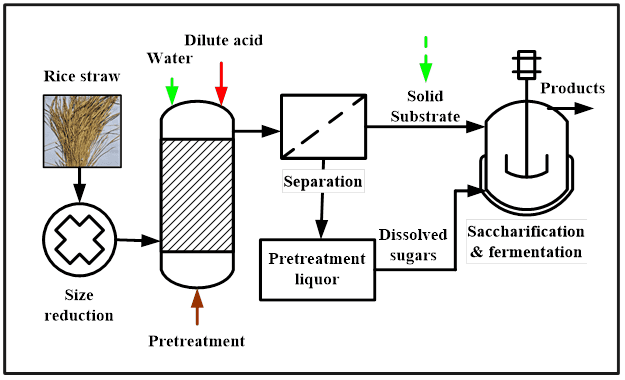
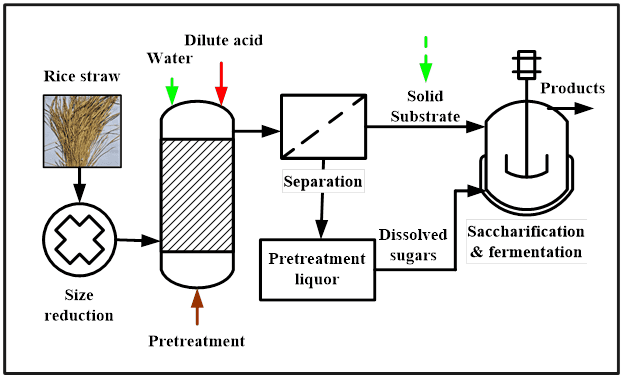
As a renewable alternative to fossil fuels, the production of bioethanol and biochemicals from lignocellulosic biomass has drawn significant interest. For biochemical conversion, pretreatement is the most crucial step, which removes biomass recalcitrance to improve cellulose’s accessibility for enzymatic saccharification and fermentation. This study investigated the potential of dilute sulfuric acid pretreatment of waste rice straw to produce building-block sugars and bioethanol. The study focused on optimizing several key parameters, including dilute acid concentration (60 mM), pretreatment time (30 minutes), pretreatment temperature (120°C), and liquid-to-solid ratio (5:1). This study also compared the efficiency of dilute acid pretreatment of rice straw with conventional dilute alkali and organosolv pretreatment techniques. The results showed that dilute acid pretreatment effectively dissolved a significant amount of hemicellulose under these circumstances, retaining 97.96% of cellulose in the solid substrate, which led to 64.28% glucose yield in enzymatic saccharification. The rice straw structure underwent morphological changes (i.e., cell wall rupture and changes in crystallinity) as the result of acid pretreatment, which were confirmed using SEM and XRD techniques. Furthermore, Saccharomyces cerevisiae fermentation trials showed that the total bioethanol yield was 78.7% in simultaneous saccharification and fermentation, demonstrating the potential of optimized dilute acid pretreatment in the production of bioethanol from rice straw. This study provides important insights for developing a biorefinery for the effective valorization of rice straw and other agricultural waste biomasses.
J. Sci. Eng. Pap. 2026, 3(2), 222-230 · doi:10.62275/josep.26.1000032 · Published 2 Nov 2026
M. Sultana, M. Ahsan, A. Mondal, A. Chowdhury +4 more
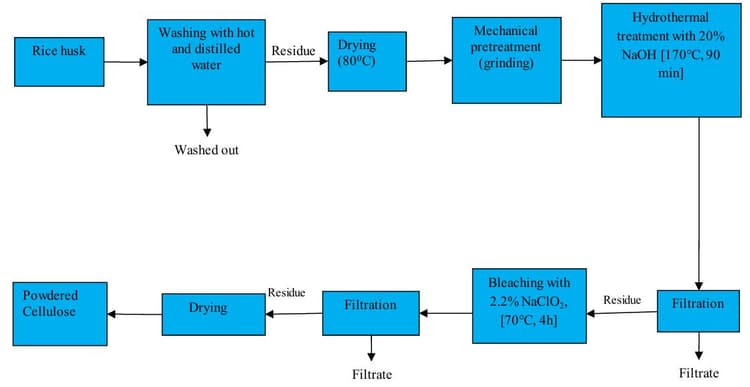
Rice husk is an abundant natural resource that contains about 33% cellulose. This study focused on the extraction and develop of carboxymethyl cellulose (CMC) from rice husks and its utilization in developing CMC-polyvinylpyrrolidone (PVP) blended hydrogel (HGEL) membranes with varying CMC:PVP ratios (80:20, 60:40, and 50:50 w/w). The controlled release of pharmaceuticals and targeted drug administration depend on pH-responsive drug delivery systems. An innovative pH-sensitive, biodegradable, and antibacterial hydrogel was synthesized through blending and solution casting method, using glutaraldehyde as a crosslinking agent. Structural and physicochemical characterization confirmed successful hydrogel formation: FTIR validated crosslinked network development, TGA demonstrated enhanced thermal stability, and SEM revealed uniform and interconnected morphologies. Swelling studies showed that swelling capacity could be precisely tuned by altering the CMC/PVP composition, with higher pH conditions markedly increasing swelling, confirming the pH-responsive behavior of the hydrogels. The drug (salicylic acid) release profiles from gel membrane were conducted into two separate release media (pH 1.4, and pH 7.4), with samples evaluated spectrophotometric analysis at 294 nm wavelength using a UV-Vis spectrophotometer, showed a consistent and controlled release profile. Biodegradability tests in soil revealed that the hydrogel sample degraded gradually up to 72.65% within 15 days. Moreover, upon testing on bacteria Staphylococcus aureus (G+) & Escherichia coli (G-) bacterium, the sample (50:50) gave 11 mm of inhibition zone diameter which confirmed that the synthesized hydrogel can be used for wound dressing and other biomedical applications. Altogether hydrogels underlined as a prospective category of eco-friendly and tunable biomaterials for future healthcare innovations.
J. Sci. Eng. Pap. 2026, 3(1), 145-152 · doi:10.62275/josep.26.1000023 · Published 22 Oct 2026
Showing 1–5 of 11 articlesShowing 1–3 of 11 articles
 17 views
 2 downloads